Metallic Epoxy Basement Floors: Moisture, Cost and What to Expect
Published October 9, 2026 · 6 min read · By 360 Surfaces
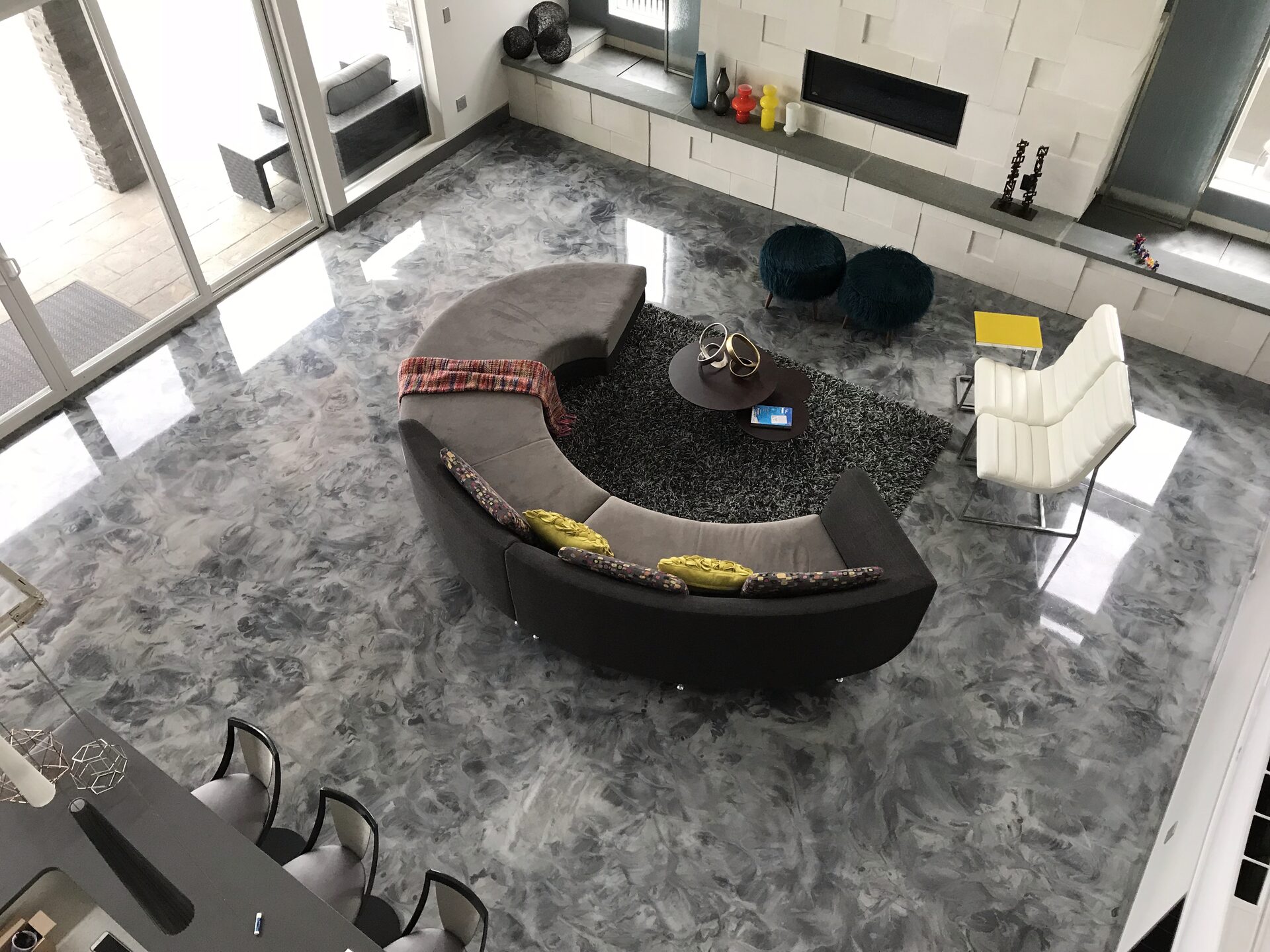
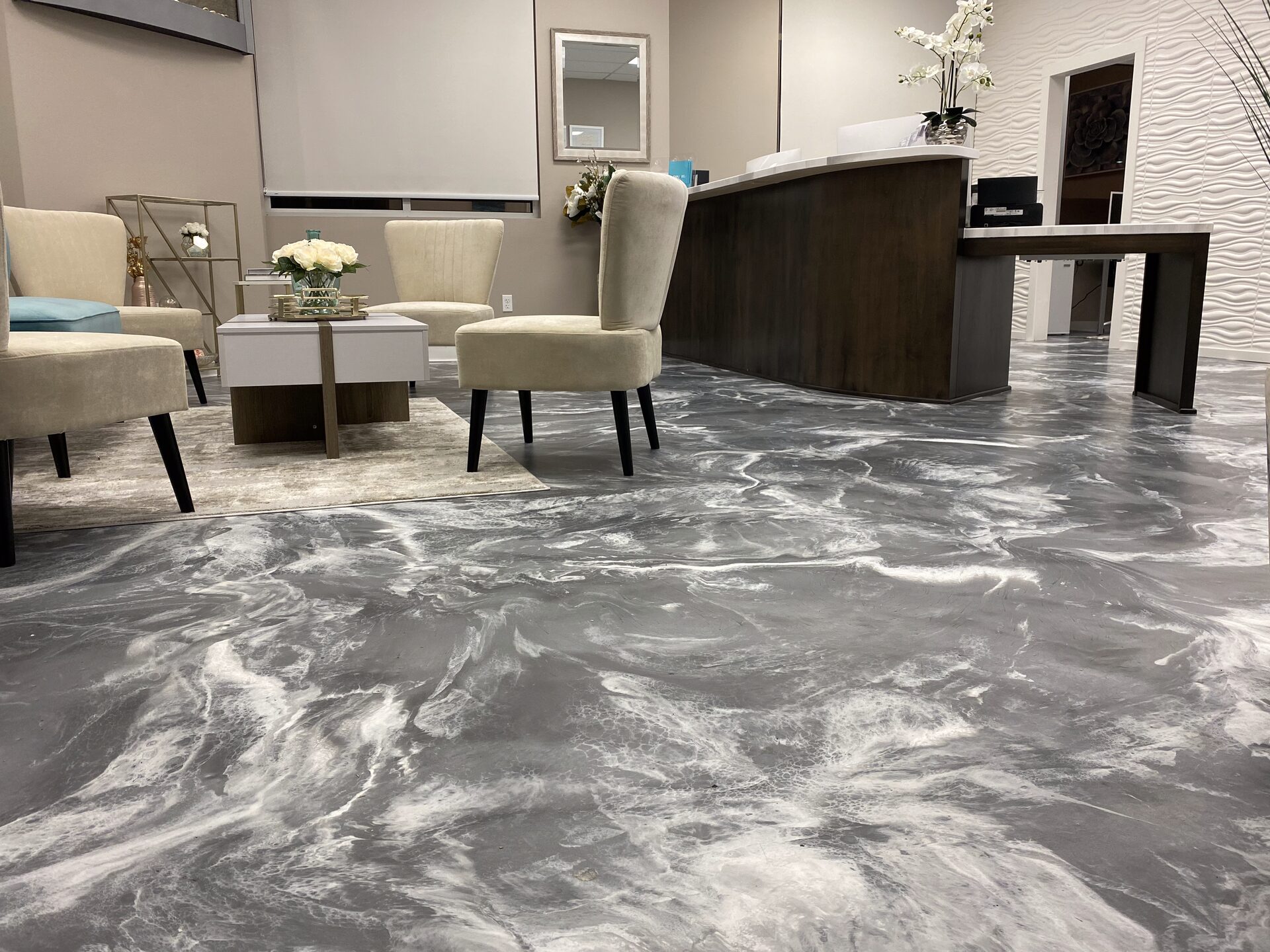
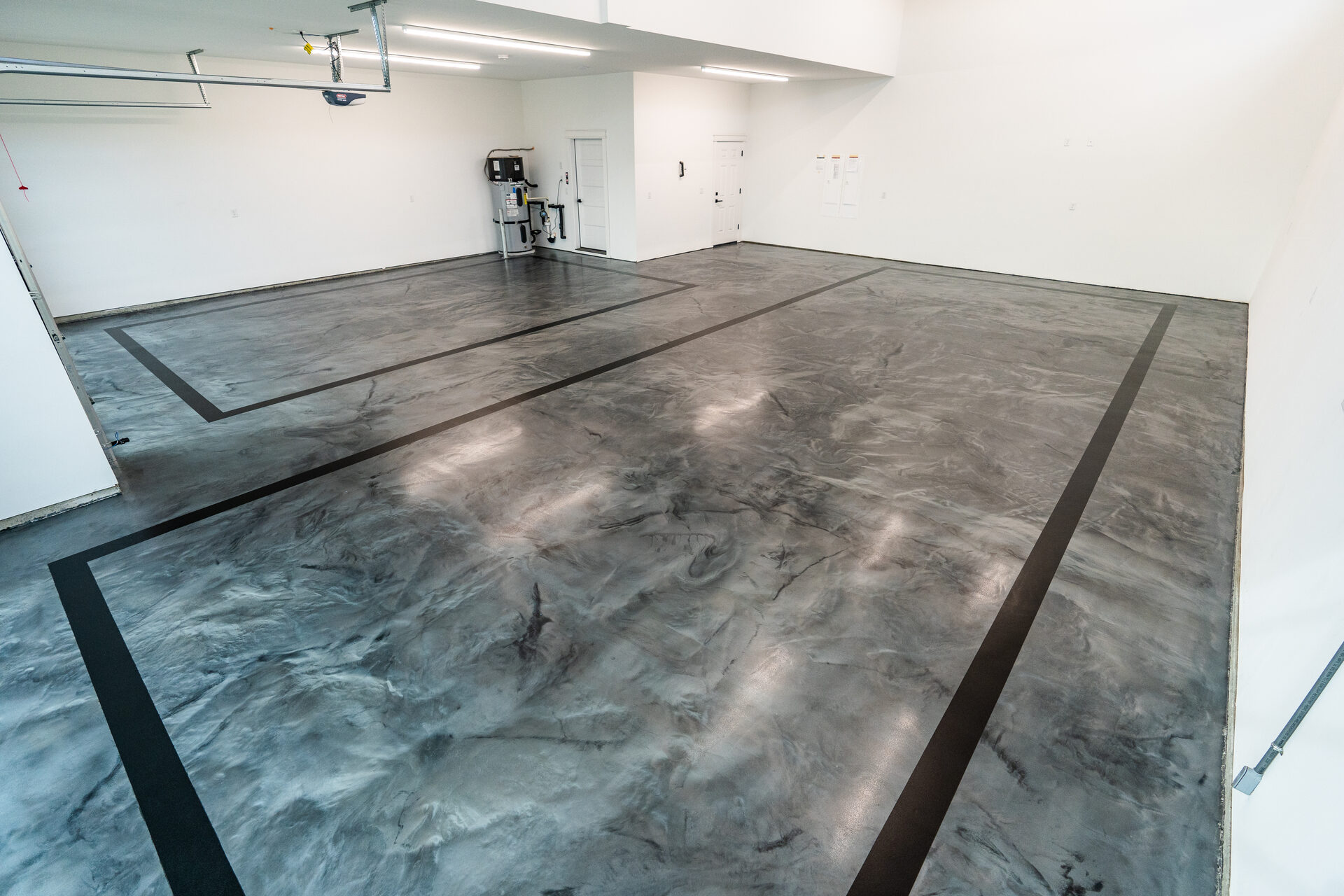
A basement is one of the best rooms in the house for a metallic epoxy floor. There is no sun to fade it, the temperature stays steady, and a basement rec room, gym or theater is exactly the kind of space where a glossy, one-of-a-kind floor makes the biggest difference.
It is also the room where a metallic floor is most likely to fail if the job is rushed, because of one thing: moisture. Here in the Northwest, with wet winters and plenty of homes sitting near rivers and high water tables, that part matters more than the color. This is what we tell homeowners before they commit.
Why Basements and Metallic Go Together
- No UV. Basements don't get direct sun, so the floor keeps its color.
- Steady temperature. Less expansion and contraction than a garage that swings from freezing to hot.
- Light where you need it. A light metallic like pearl or champagne can make a dark basement feel bigger and brighter.
- Easy to clean. A sealed, seamless floor wipes up easily and doesn't hold dust like carpet.
The Moisture Problem Nobody Wants to Talk About
Concrete is not waterproof. Water vapor from the ground moves up through a basement slab all the time, even when the floor looks and feels dry. Under carpet you would never notice. Under a coating, that vapor pushes up from below, and if there is too much of it, the coating can bubble, blister or lift.
That is why we never coat a basement slab without testing it first. We use a calcium chloride test or a relative humidity test to measure how much moisture is coming through. If the number is high, we use a moisture-mitigating primer before the epoxy, which is designed to hold back that vapor. If there is an active leak or standing water, we stop and talk about fixing the source first. No coating fixes a wet basement.
Metallic Shows Everything the Slab Is Doing
Flake floors hide a lot. Metallic hides almost nothing. The glossy, reflective surface shows low spots, old patches and cracks, especially under basement lighting that rakes across the floor.
So the prep is bigger. We diamond-grind the whole slab, which opens the surface so the epoxy bonds, and also takes down high spots. Cracks and divots are filled and ground flat before any color goes down. A slab that would be fine for flake sometimes needs extra leveling work before it is ready for metallic.
Old Basement Tile: Stop and Check First
A lot of older basements have 9-inch by 9-inch floor tile. Tile of that size and age can contain asbestos. We do not remove suspected asbestos tile ourselves. It has to be tested, and if it is positive, removed by a licensed abatement company before we coat, or in some cases sealed in place. We will tell you which applies after we see it.
What a Metallic Basement Floor Costs
Metallic epoxy runs about $9 to $16 per square foot. For a typical 600 square foot basement, that works out to roughly $5,400 to $9,600. Where you land depends on the slab condition, how much crack repair and leveling it needs, whether it needs a moisture primer, and how complex the design is.
A basic flake basement floor runs about $5 to $10 per square foot if you want something simpler and more forgiving. We bring sample boards of both to the estimate.
How Long It Takes
A metallic basement floor usually takes 2 to 3 days to install, and then 3 to 5 days to cure before you move heavy furniture back. Plan ahead: the room needs to be empty, and you will want a few days before the couch and the treadmill go back in. Light foot traffic comes sooner.
The full system is 40 to 60 mils thick with a polyaspartic topcoat and a 15-year warranty.
Is It Slippery?
A glossy floor can get slick with socks or water on it. In basements, especially near a bathroom, laundry or home gym, we can add a fine anti-slip texture to the topcoat. It cuts the slip without killing the look.
When Metallic Is Not the Right Call
- The basement floods or has active water coming in. Fix the water first.
- The slab is badly heaved or moving. Metallic will show it and the cracks will come back through.
- You want a floor that hides everything. A flake floor is more forgiving.
Quick Answers
Can you put metallic epoxy on a basement floor?
Yes, and basements are one of the best places for it, as long as the slab is moisture tested first and treated with a moisture primer if needed.
Will epoxy stop water coming up through my basement floor?
No coating fixes a leak. A moisture-mitigating primer handles normal vapor coming through a slab, but active water or flooding has to be fixed at the source.
How much does metallic epoxy cost for a basement?
About $9 to $16 per square foot. A 600 square foot basement lands around $5,400 to $9,600 depending on prep and design.
How long before I can use my basement again?
Install takes 2 to 3 days, then plan on 3 to 5 days of cure before heavy furniture goes back in.