
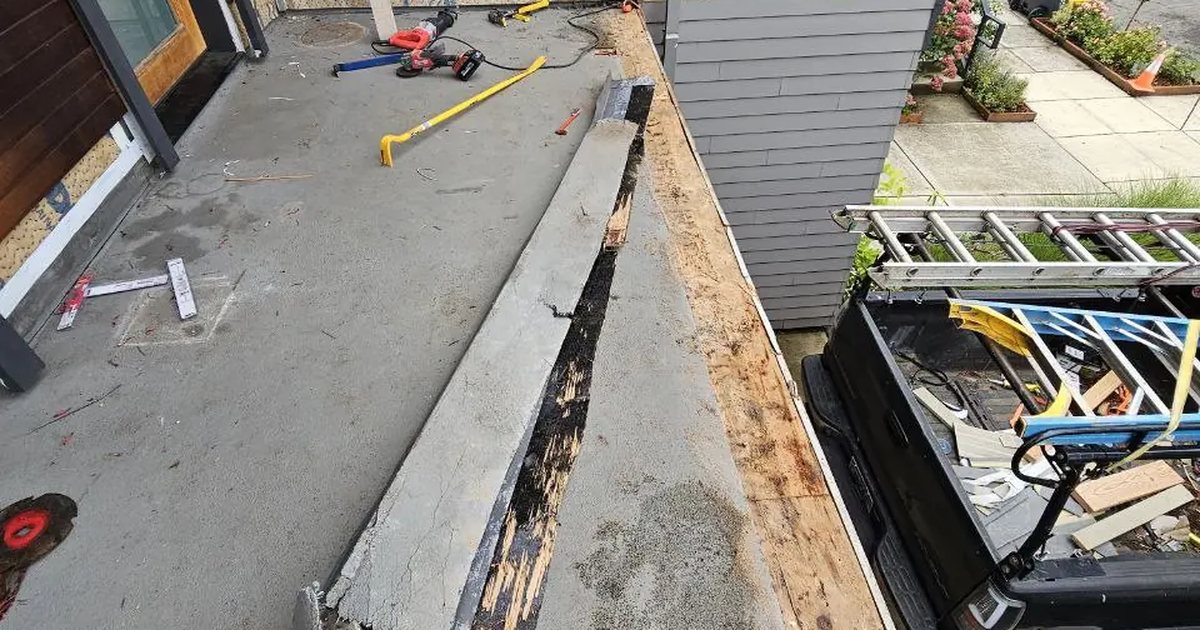
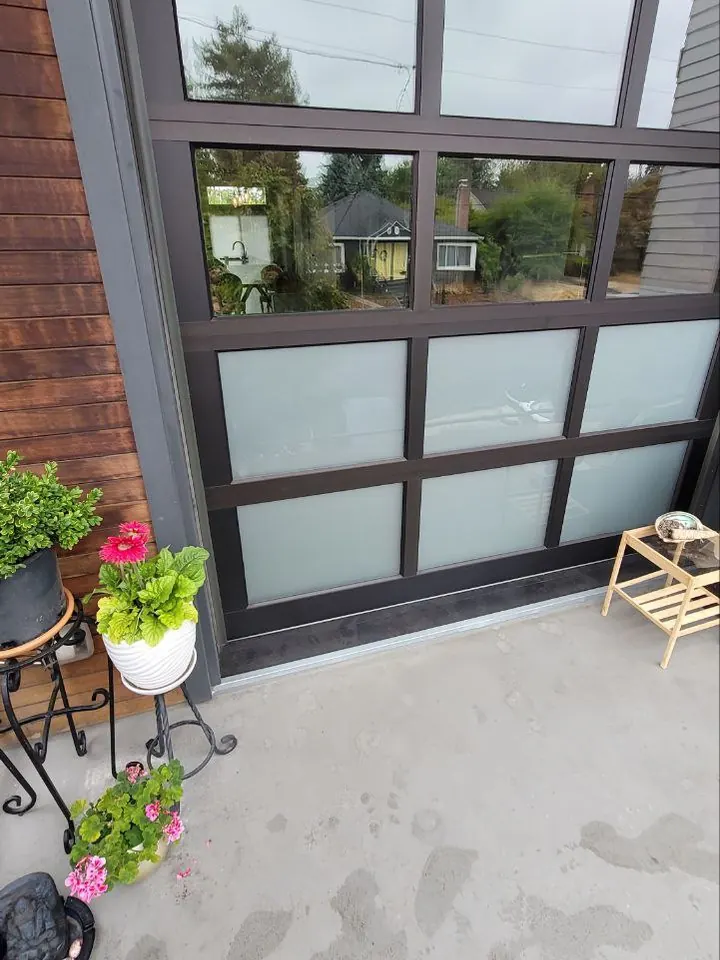
Decks and balconies in Vancouver and the Portland metro face a demanding climate. Months of rain, winter freezes and summer sun all work on the walking surface, and when the waterproofing fails, the damage usually begins underneath, where it is difficult to see. Recognizing the early warning signs often makes the difference between restoring the surface and rebuilding the structure.
This guide covers the warning signs we see most often on decks, balconies and landings, what each one usually indicates, and how a failing deck is restored with the Westcoat ALX Pro waterproof deck system.
Six Signs Your Deck Is Failing
1. Leaks or Stains Below the Deck
Water stains, bubbling paint or discoloration on a ceiling, soffit or wall beneath a deck or balcony are the clearest sign that water is passing through the walking surface. A visible stain usually means water has been entering for some time.
2. Soft or Spongy Spots
An area that flexes or feels soft underfoot often points to saturated or deteriorating plywood, and in some cases to damaged joists. Soft areas should be inspected before a new coating is considered, because no coating can correct a failing substrate.
3. Peeling, Blistering or Worn-Through Coating
A coating that is peeling, blistering or worn through leaves the layers below exposed to water and UV. Once the surface is breached, water can travel beneath the remaining coating and spread the damage well beyond the visible area.
4. Cracks Along Seams and Edges
Cracks that follow plywood seams, or that open along the deck edge and where the deck meets the wall, often indicate movement in the substrate or failed flashing. These are among the most common entry points for water.
5. Standing Water After Rain
Water that pools on the surface suggests the deck has lost its slope or was built without enough of it. Westcoat specifies a minimum slope of 1/4 inch per linear foot for ALX Pro so that water drains off the deck rather than sitting on it.
6. Rust Stains or Damaged Flashing
Rust streaks at the edges, or flashing that is bent, loose or corroded, indicate that the perimeter of the deck is no longer protecting the structure. The perimeter is where many deck failures begin.
What to Do About a Failing Deck
Start With an Inspection
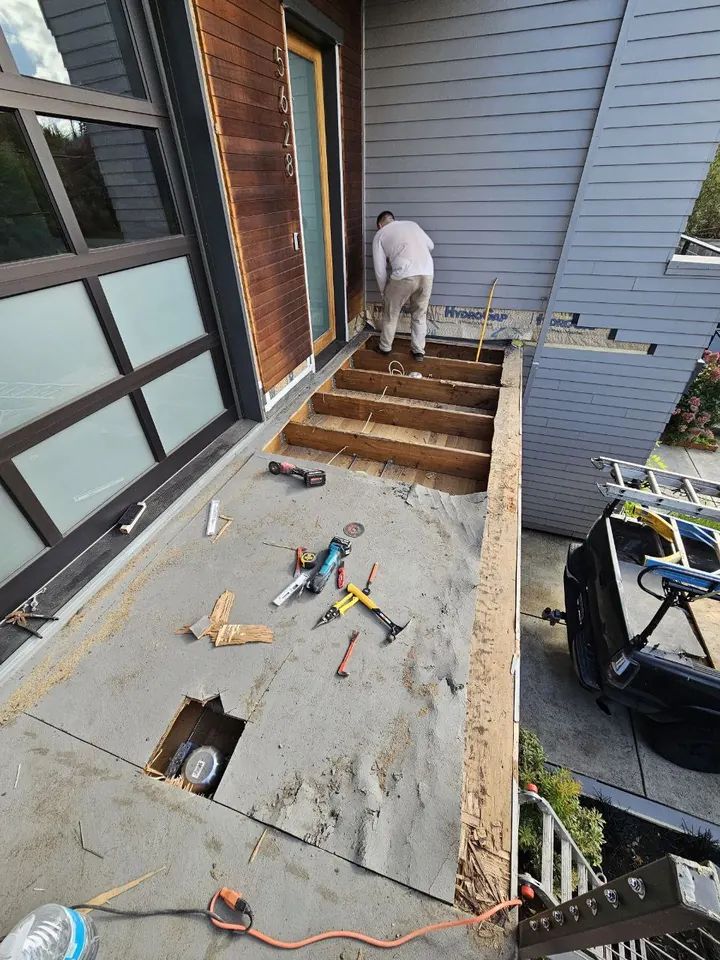
The right repair depends on what is happening below the surface. We inspect the walking surface, the edges and flashing, the drainage and, where there are signs of damage, the plywood and framing underneath. That inspection determines whether the deck can be coated as it is or whether repairs are needed first.
Repair the Structure First
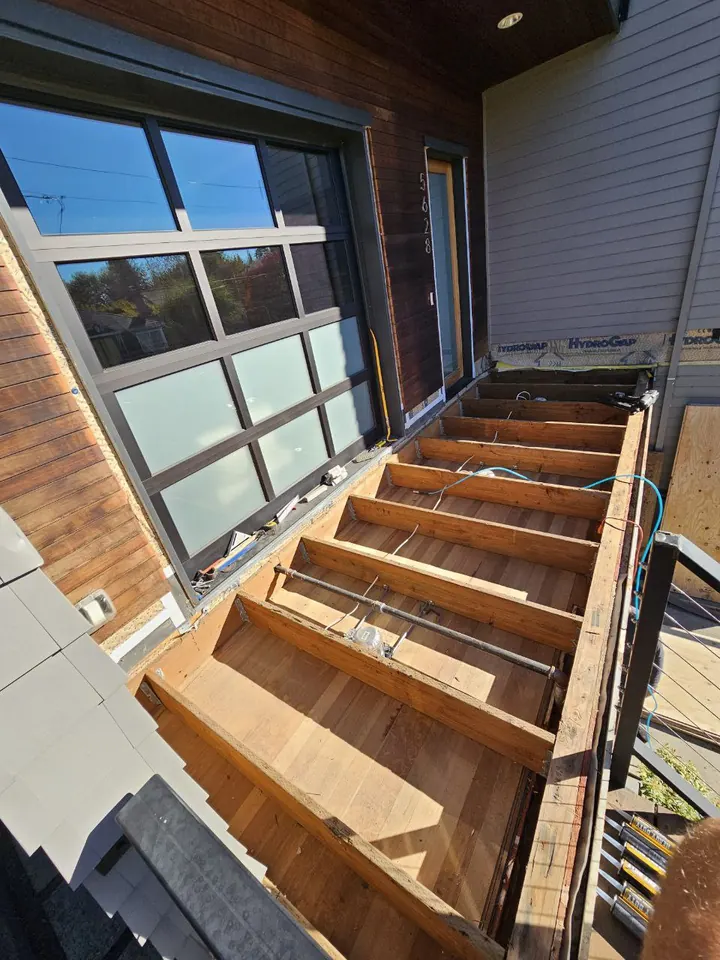
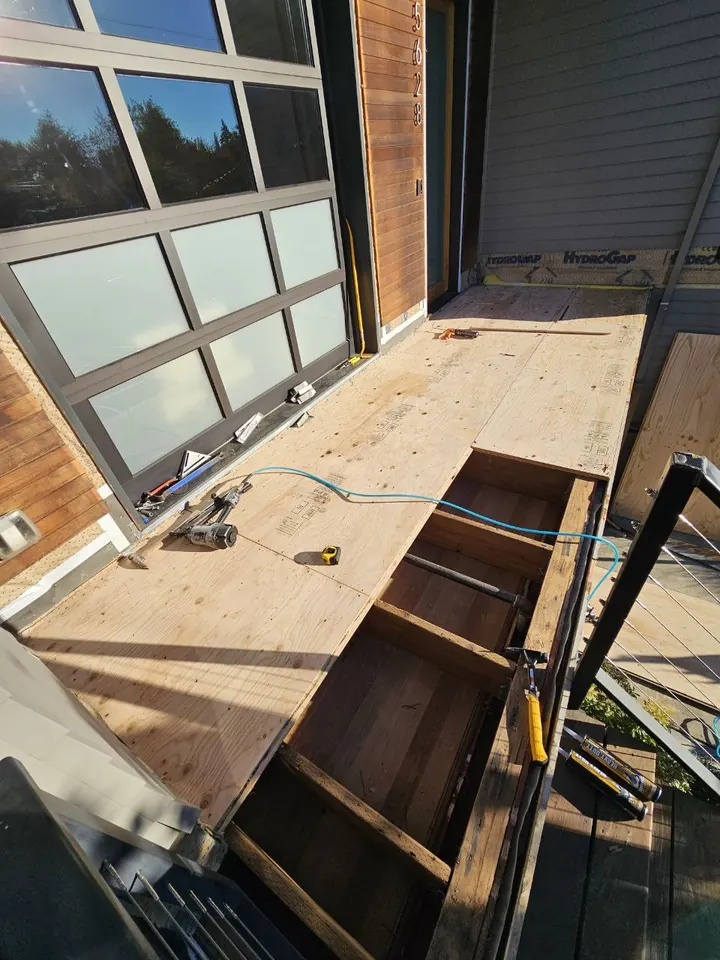
Damaged plywood or joists are repaired or replaced before any coating is applied. Westcoat's ALX Pro specification calls for exterior-grade plywood at least 5/8 inch thick (3/4 inch preferred), joists spaced no more than 16 inches apart, and no OSB. Building to that standard allows the system to perform as designed.
Install a Complete Waterproof System
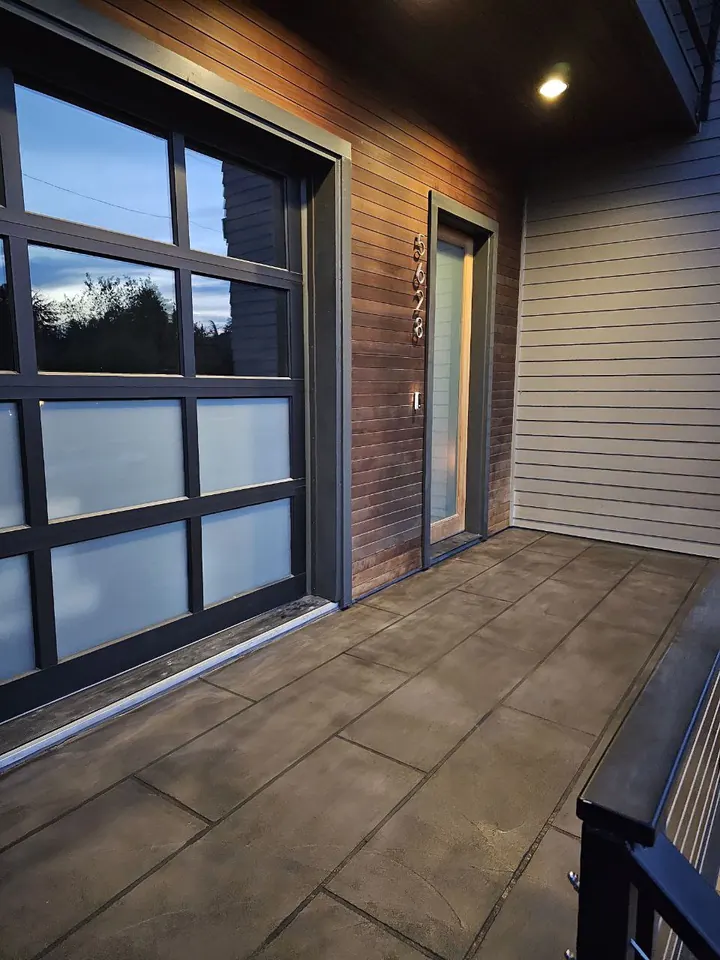
With a sound substrate in place, we install the Westcoat ALX Pro system: sheet membrane on every plywood seam, reinforcing lath, a base coat, a fiberlath-reinforced resin membrane, a slurry coat, a texture coat and an acrylic topcoat. The finished surface is bonded, waterproof and has the look and feel of concrete. Our guide to the Westcoat ALX Pro system explains each layer in detail.
Westcoat designed ALX Pro so it can be installed through most existing deck systems, which makes it well suited to restoring problem surfaces when the structure below is sound.
A Balcony Restoration, Start to Finish
The balcony shown in this article had reached the end of its service life. We removed the existing surface, repaired the joists, installed new plywood and applied the complete ALX Pro system. Every stage of the project is shown on our deck coating page.
Concrete Steps, Porches and Patios
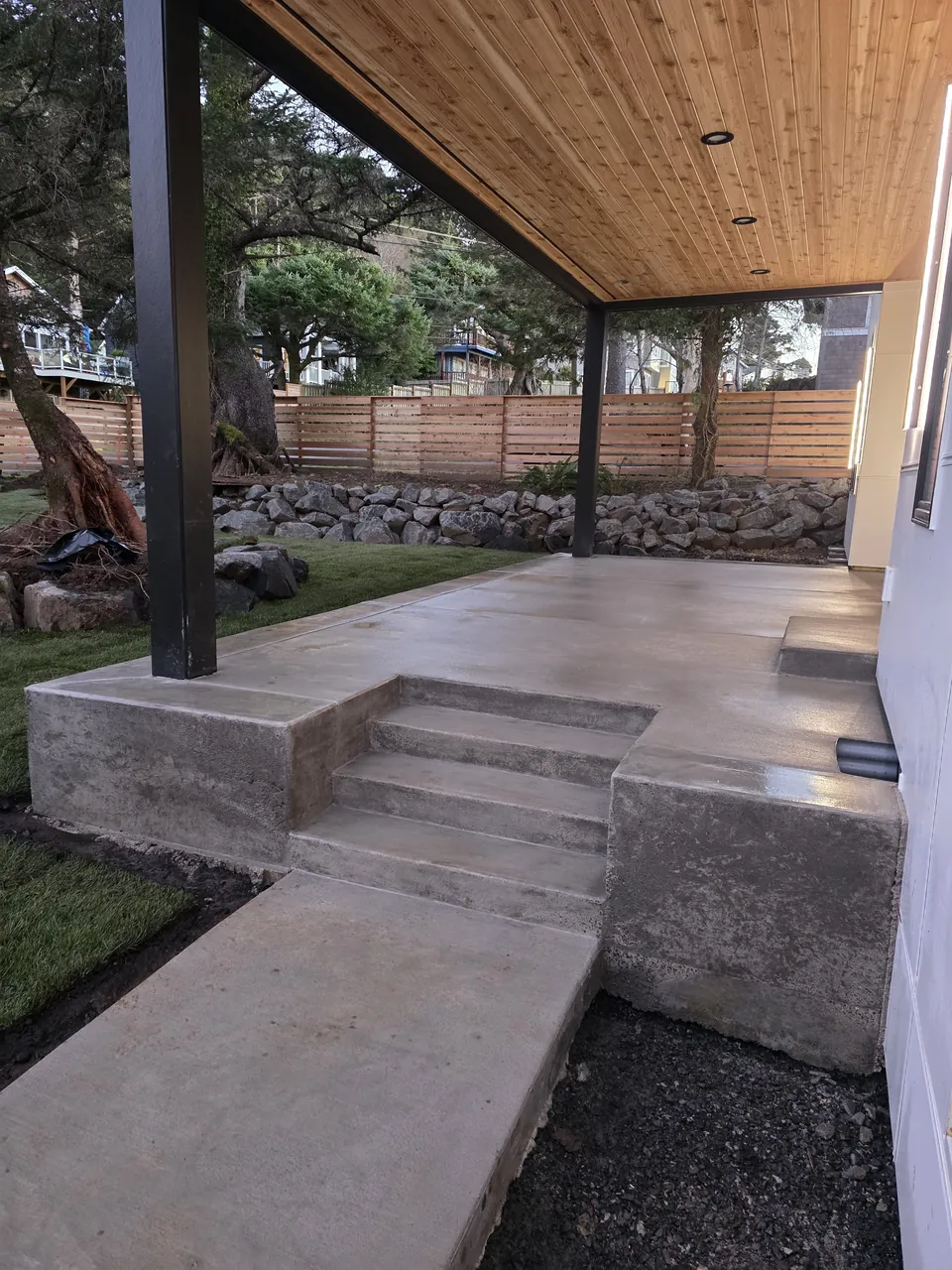
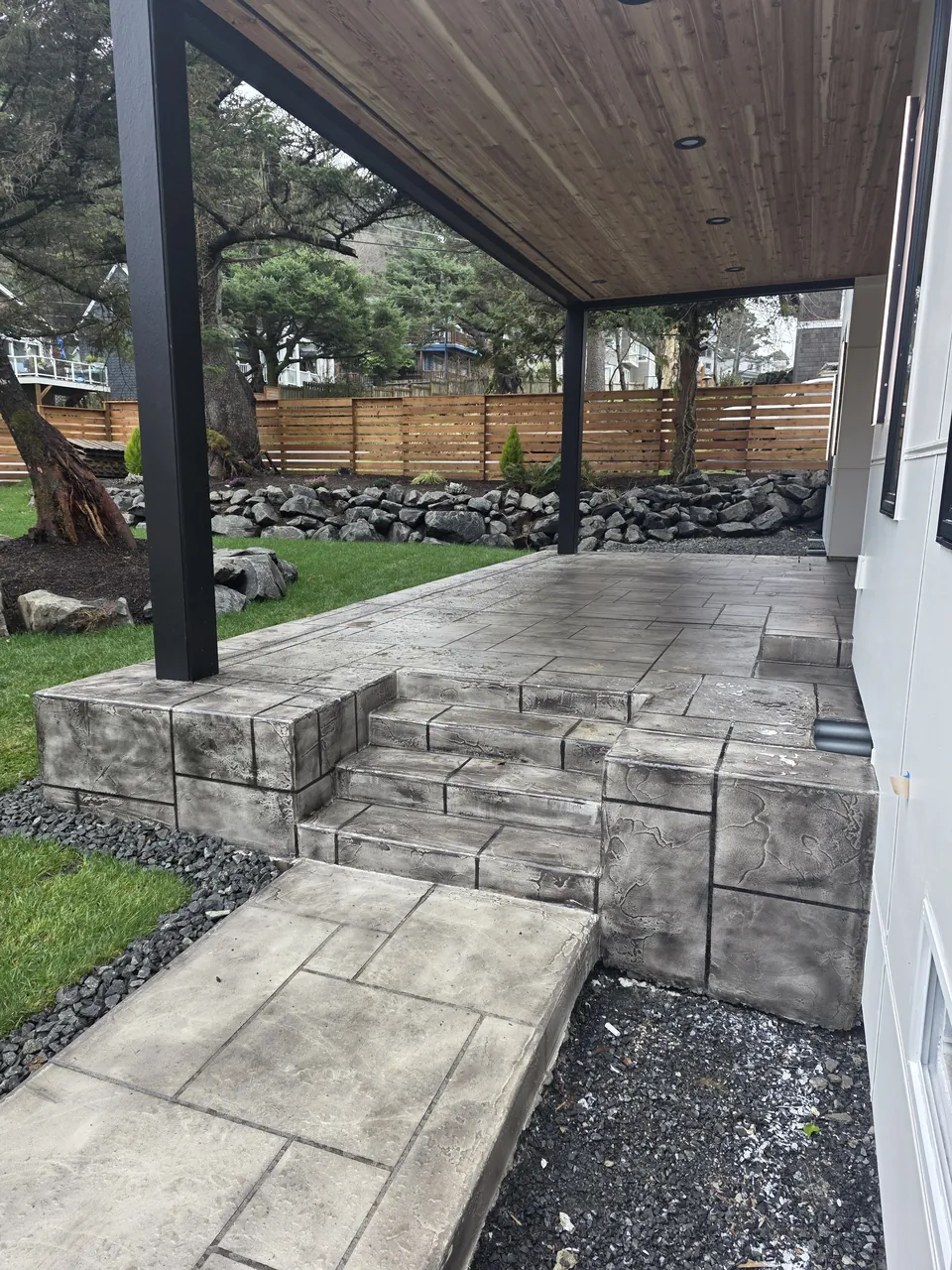
Concrete surfaces show many of the same warning signs: surface wear, cracking and coatings that have begun to fail. The ALX Pro system can also be applied over concrete, including entry steps, porches and patios. The concrete is prepared by diamond grinding or shot blasting before the system is installed.
Warranty Coverage
360 Surfaces is a Westcoat Qualified Contractor Applicator (QCA). ALX Pro installations are eligible for up to a 20-year Westcoat manufacturer warranty, depending on the system and the surface it is installed over. Every project also includes our 5-year workmanship warranty.
Frequently Asked Questions
How do I know whether my deck needs a new coating or structural repairs?
An inspection is the most reliable way to tell. Surface wear and minor cracking can often be addressed with a new coating system. Soft spots, leaks below the deck or damaged framing need to be repaired before any coating is installed.
Can a new deck coating go over my existing deck surface?
In many cases, yes. Westcoat designed ALX Pro so it can be installed through most existing deck systems, provided the plywood and framing below are sound. Damaged plywood or framing is repaired or replaced first.
Can ALX Pro be installed over concrete?
Yes. The system can also be applied over concrete, including entry steps, porches and patios. The concrete is prepared by diamond grinding or shot blasting before installation.
What warranty comes with an ALX Pro deck?
360 Surfaces is a Westcoat Qualified Contractor Applicator. ALX Pro installations are eligible for up to a 20-year Westcoat manufacturer warranty, depending on the system and the surface it is installed over, and every project includes our 5-year workmanship warranty.
Request a Deck Coating Estimate in Vancouver WA and Portland OR
360 Surfaces installs Westcoat ALX Pro deck coatings and railing across Vancouver, Camas, Ridgefield, Battle Ground and the greater Portland metro. Call or text (360) 685-7222, email info@360surfaces.com, or request an estimate. To see the system, the warranty details and recent projects, visit our deck coating page.