When someone asks what a warranty really covers, they are usually trying to answer a simpler question: if something goes wrong later, who stands behind the work?
At 360 Surfaces, every coating we install carries our 5-year workmanship warranty, in writing. That includes garage epoxy and polyaspartic floor systems and Westcoat ALX Pro deck coatings. On ALX Pro decks, that workmanship warranty sits alongside a separate Westcoat manufacturer warranty of up to 20 years, depending on the build, because we are a Westcoat Qualified Contractor Applicator.
This guide focuses on the workmanship side: what it means in plain language for floors and decks, how it differs from a manufacturer warranty, what it typically does and does not cover, and how prep and maintenance fit into the picture. For the deck-specific pairing of both warranties, read Deck Coating Warranties: Manufacturer and Workmanship Coverage Explained.
Workmanship Warranty vs. Manufacturer Warranty
These are two different promises from two different parties. Mixing them up is how homeowners get surprised later.
| 360 Surfaces workmanship warranty | Westcoat manufacturer warranty (ALX Pro decks) | |
|---|---|---|
| Issued by | 360 Surfaces | Westcoat |
| Term | 5 years | Up to 20 years, depending on the system and the surface it is installed over |
| Applies to | Every coating we install (floors and decks) | ALX Pro decks installed through a Westcoat QCA |
| Relates to | The quality of our installation | The Westcoat ALX Pro system |
| Confirmed how | In writing on every project | We confirm the applicable term for your deck in writing |
In short: the manufacturer warranty (when it applies) relates to the product system. The workmanship warranty relates to how we prepared the surface and built the coating on your property. You can have one without the other in the wider industry. On our ALX Pro decks, you get both. On our garage floors, the written promise you receive from us is the 5-year workmanship warranty.
What Workmanship Coverage Means in Practice
A workmanship warranty is a written commitment to the quality of the installation. On our projects, that installation includes the steps that decide whether a coating holds up: surface preparation, repairs made before coating, the coats we apply, and the details that keep water and wear from defeating the system.
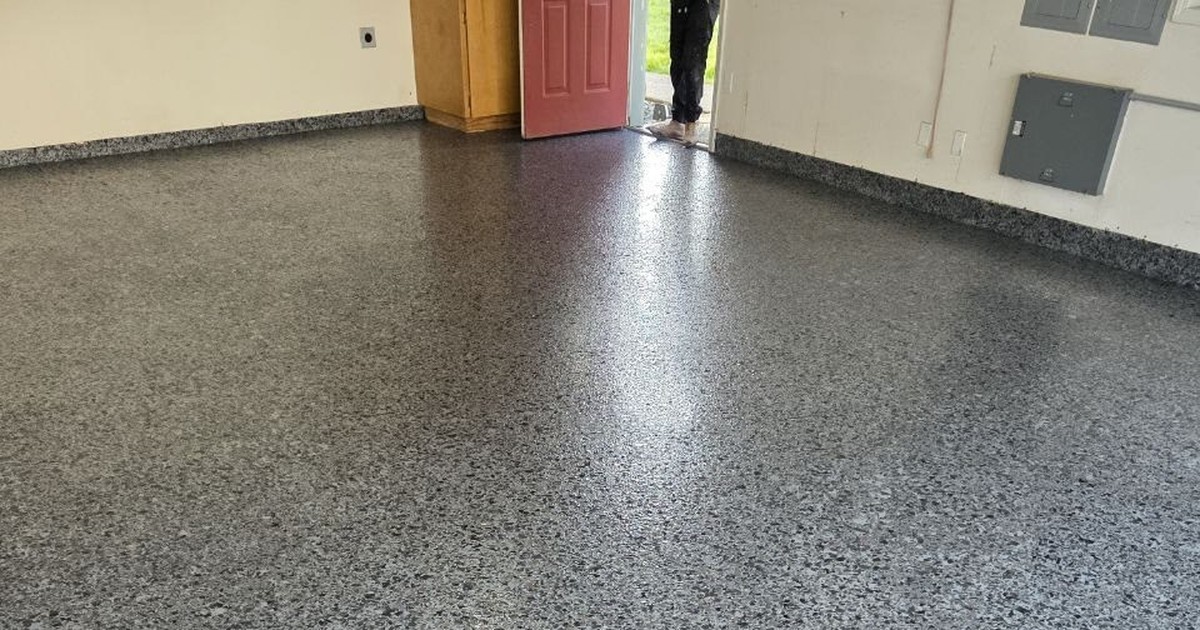
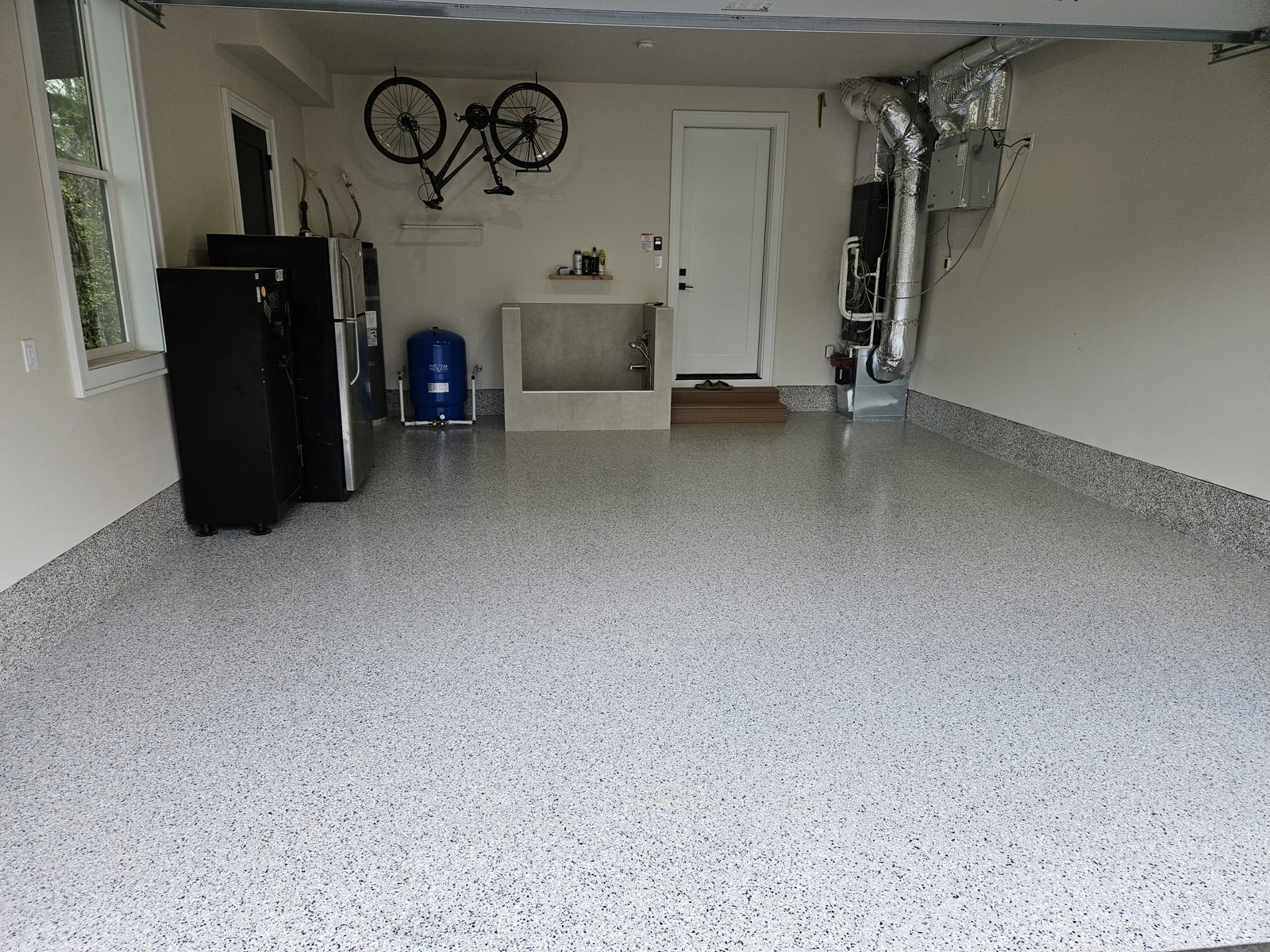
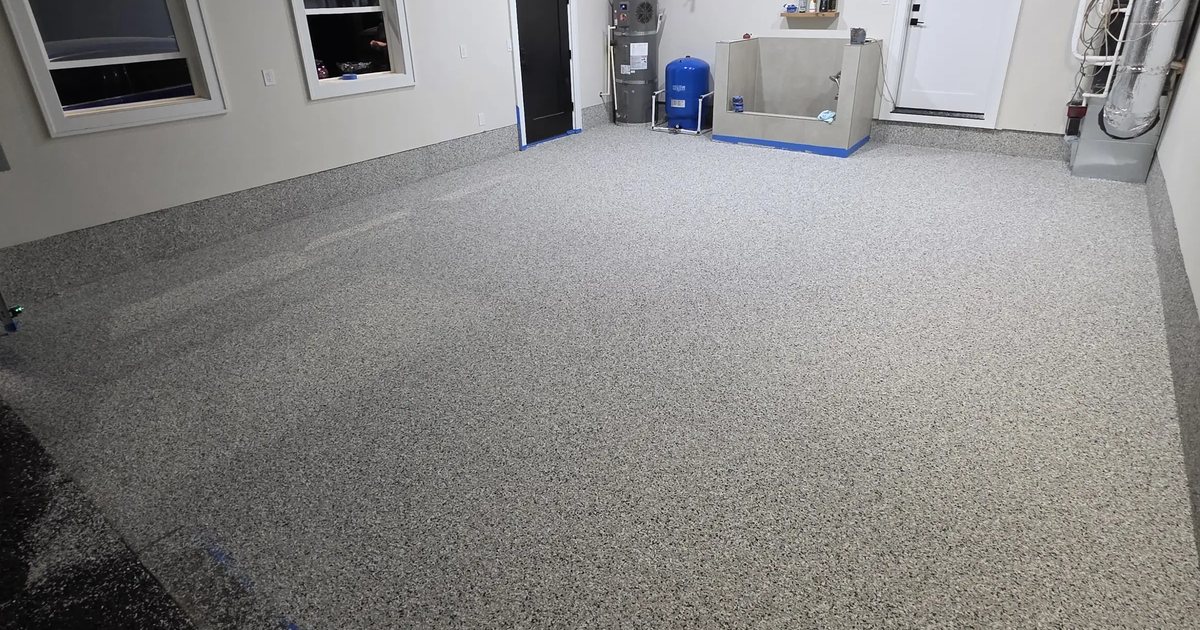
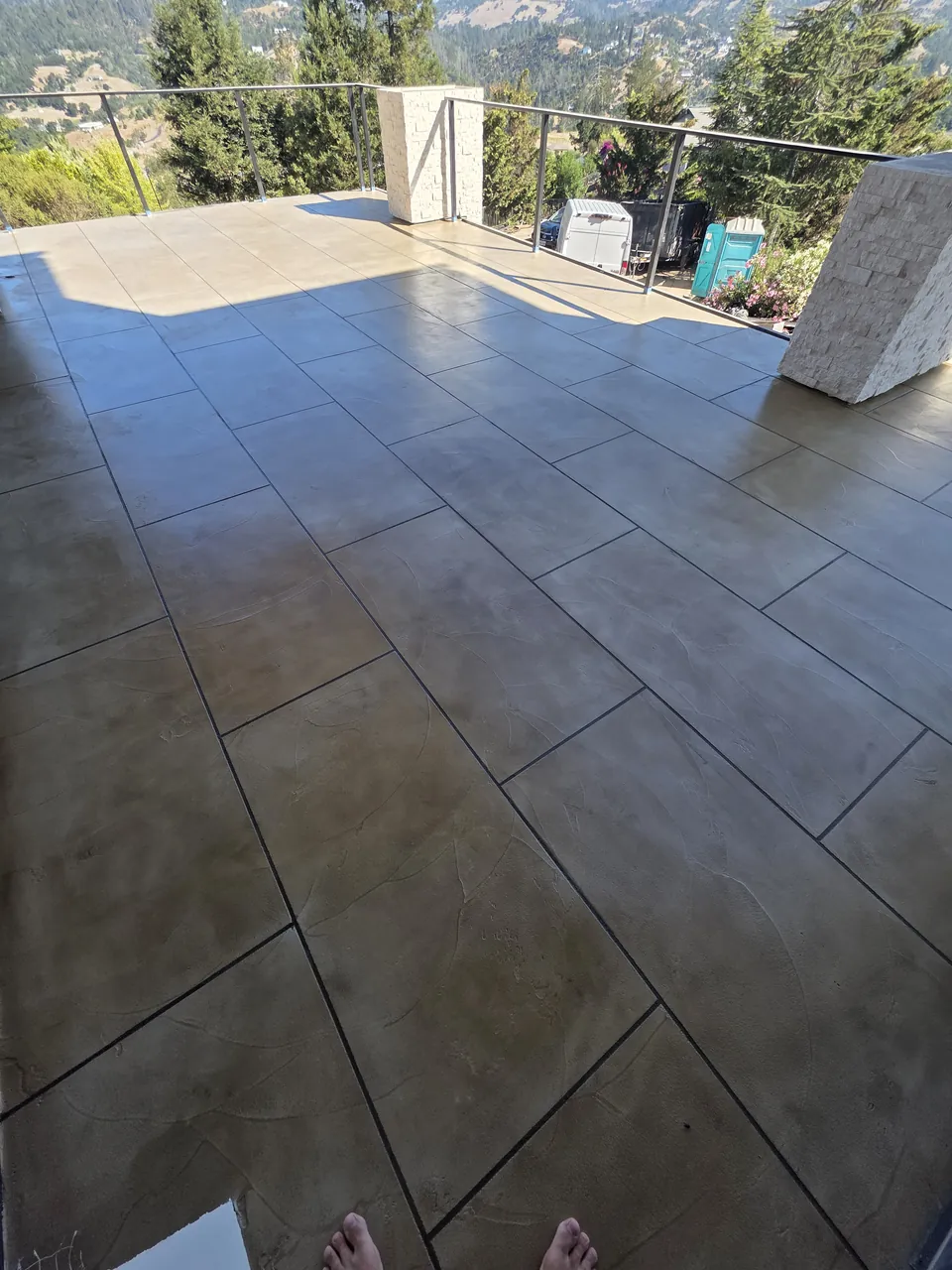
On a garage epoxy or polyaspartic floor, that usually means the concrete was opened up mechanically, cracks and spalls were repaired, and the base coat, flake broadcast (when used), lock coat and polyaspartic topcoat were installed as a complete system. On a Westcoat ALX Pro deck, it means the structure was inspected and repaired as needed, flashing and reinforcement were handled correctly, and each layer of the waterproof walking-deck system was installed as specified.
We do not treat the warranty as a marketing line at the end of a sales call. It is part of how we build the job: if the prep is wrong, the coating fails for reasons that have nothing to do with the brand on the can.
Why Prep Is Part of the Warranty Story
Coatings fail most often at the bond line. If the slab or deck surface is sealed with old paint, glazed with curing compound, contaminated with oil, or left too smooth, a new coating has nowhere solid to grab. That is why we prepare concrete by diamond grinding or dustless shot blasting, never acid etching, and why we repair cracks and spalls before any coating goes down.
A short explanation of shot blasting
Dustless shot blasting fires steel shot at the concrete and vacuums the shot, dust and loosened material right back up. It is our pick for big open slabs and for stripping thin old coatings such as gray floor paint, because it covers open floor quickly and evenly and leaves a clean, open profile for the base coat to bond into. Diamond grinding uses rotating diamond tooling and is our pick for edges, corners and tight spots where a shot blaster cannot reach. Many garages get some of each.
That mechanical profile is not a nice-to-have. It is one of the main reasons a professionally installed floor or deck coating can be backed in writing for five years. Acid etching, by comparison, does not remove old coatings reliably and does not create the same kind of profile, which is why we do not use it.
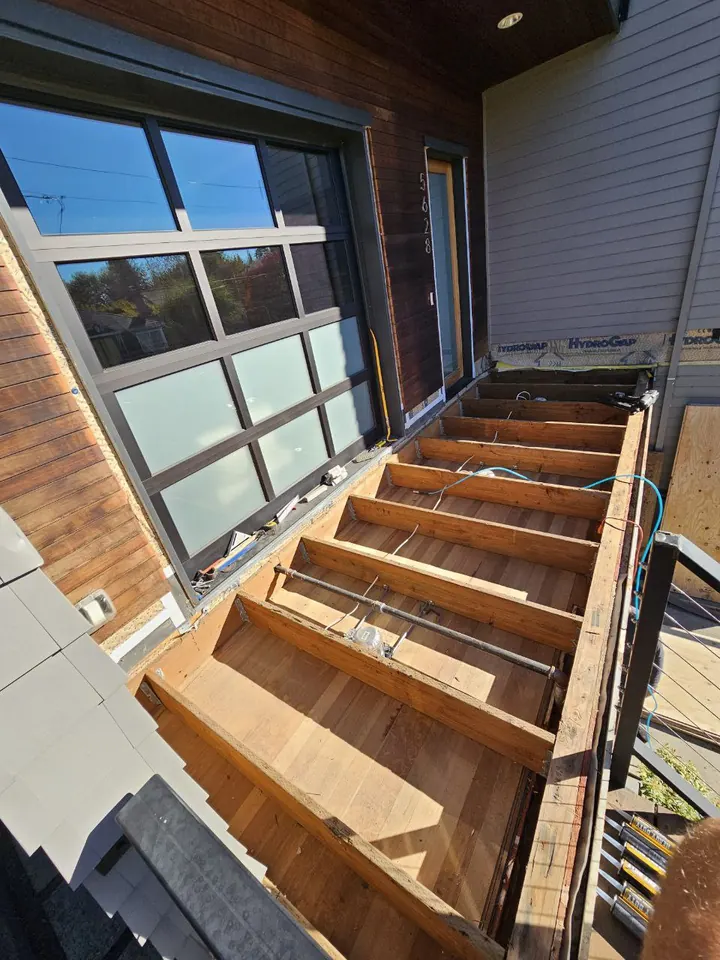
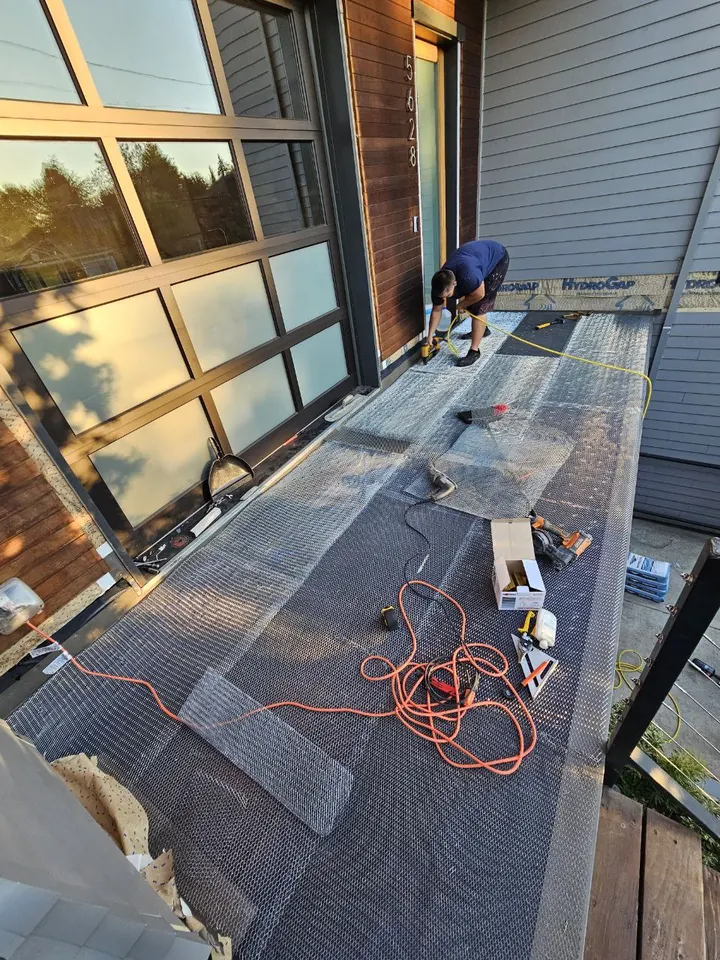
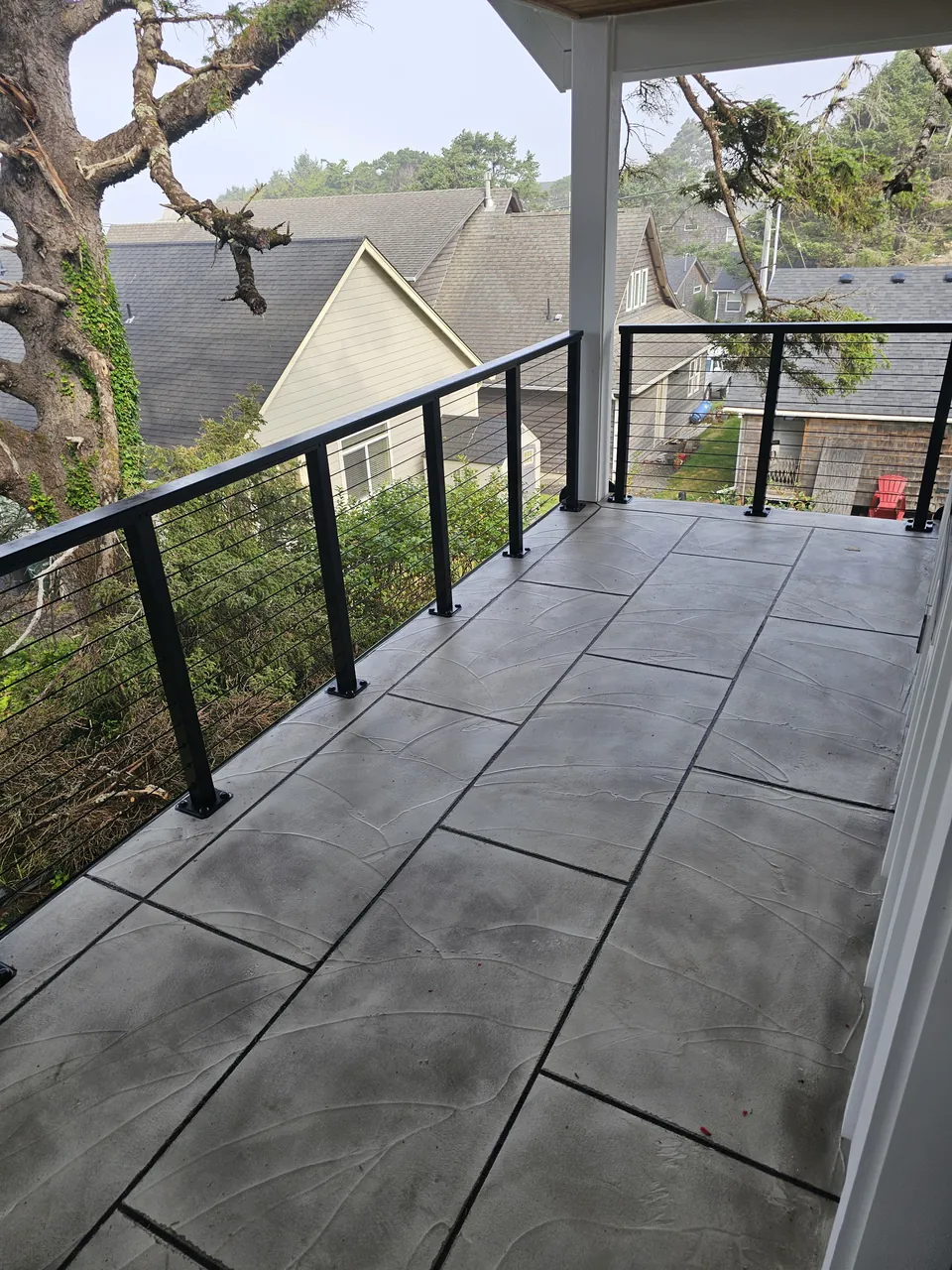
On decks, prep looks different but the idea is the same. A waterproof coating over damaged plywood, missing slope or incomplete flashing is only as strong as the structure under it. We remove failing surfaces, repair damaged framing and install new plywood where it is needed before the ALX Pro system goes down. That sequence is also part of the installation our workmanship warranty stands behind. For more on the manufacturer side of deck coverage, see our deck coating warranty guide.
Covered vs. Not Covered: A Plain Comparison
Every written warranty has its own exact terms, and those documents control. In general, though, workmanship coverage and day-to-day surface life answer different questions. The table below is a practical way to think about the difference without inventing exclusions that are not in your paperwork.
| Usually in the workmanship conversation | Usually outside workmanship coverage |
|---|---|
| Problems tied to how the surface was prepared | Normal wear from years of use |
| Problems tied to how coats, details or flashing were installed | Damage from impact, abuse or misuse |
| Failures that show the installation did not perform as built | Issues that follow neglect or skipped care |
| Our commitment, in writing, for five years on every coating | Separate manufacturer terms (on ALX Pro decks those are Westcoat’s) |
| Standing behind the quality of our work on floors and decks | Problems caused by conditions that were not part of the coated system (for example, an active leak that was never fixed) |
That second column is not a list of ways we avoid responsibility. It is the normal boundary of a workmanship warranty: it stands behind the installation, not every later event a garage or deck can face. Your written warranty documents set out the specific terms that apply to your project, and we confirm coverage for your job in writing before work starts.
Garage Floors: Epoxy, Polyaspartic and the Five-Year Promise
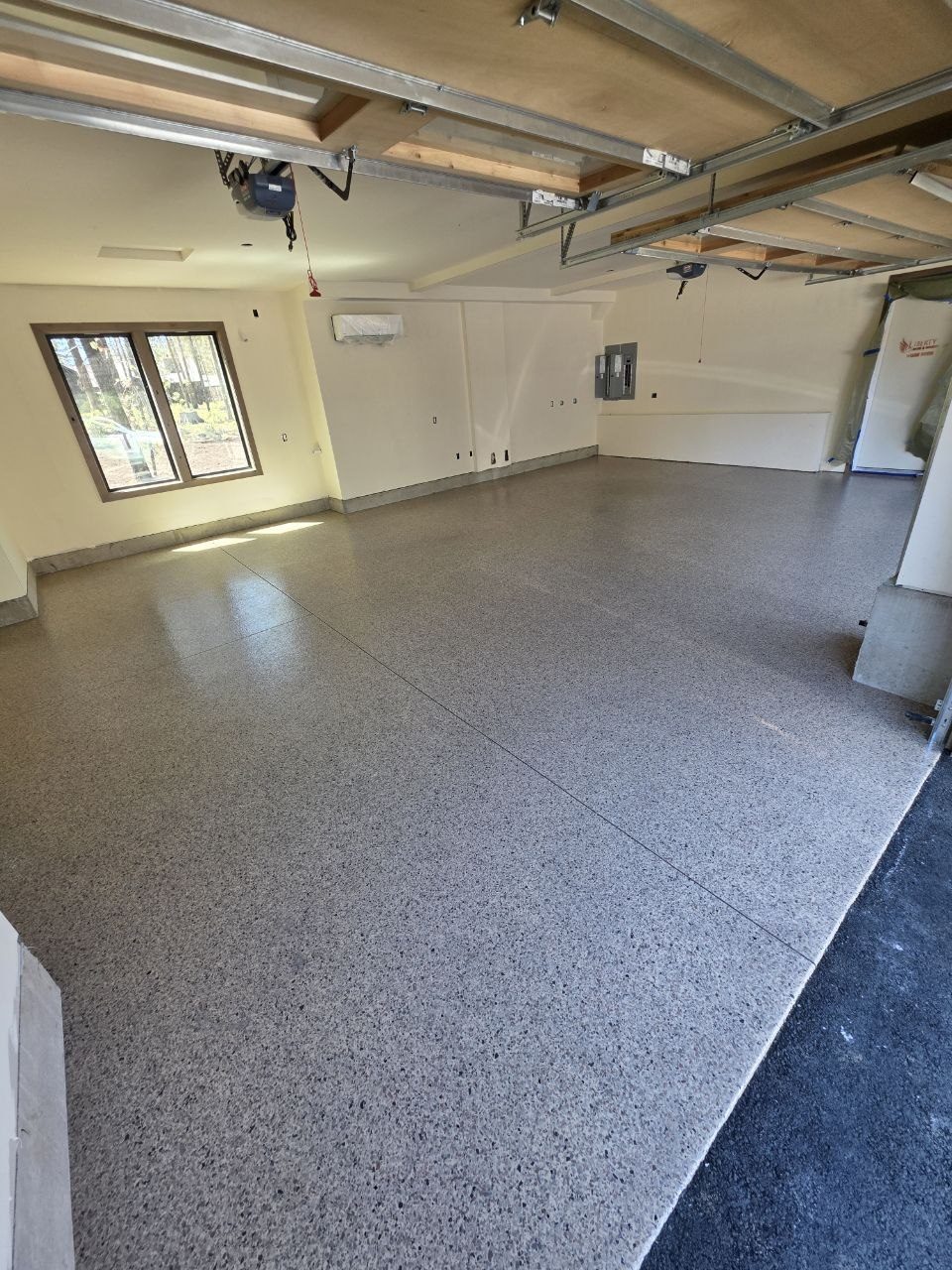
A garage floor takes hot tires, oil, tracked-in grit, dropped tools and seasonal moisture. Our flake and metallic systems are built as layered coatings on mechanically prepared concrete, typically with a 100% solids epoxy base and a polyaspartic wear layer. The written workmanship warranty on those floors is the same five-year commitment we put on every coating: it covers the quality of our installation, including the prep and the coats we applied.
What that means for you as an owner is simple. If a problem appears that traces back to how the floor was installed, you have a written path back to us. If a problem comes from something else, such as damage or a condition the coating was never meant to fix on its own, that is a different conversation, and we would rather be clear about it up front than vague about it later.
Prep choices also show up here. An older Hazel Dell or Vancouver slab with decades of oil or gray floor paint needs mechanical stripping and profiling before any epoxy or polyaspartic system can bond. That is exactly the kind of work shot blasting and grinding are for, and it is one reason a full professional install can carry a written warranty when a thin DIY kit usually cannot. For a deeper look at that prep decision, see Garage Floor Coatings in Hazel Dell, WA and Polyaspartic vs Epoxy.
Decks: Workmanship Plus the Westcoat Manufacturer Warranty
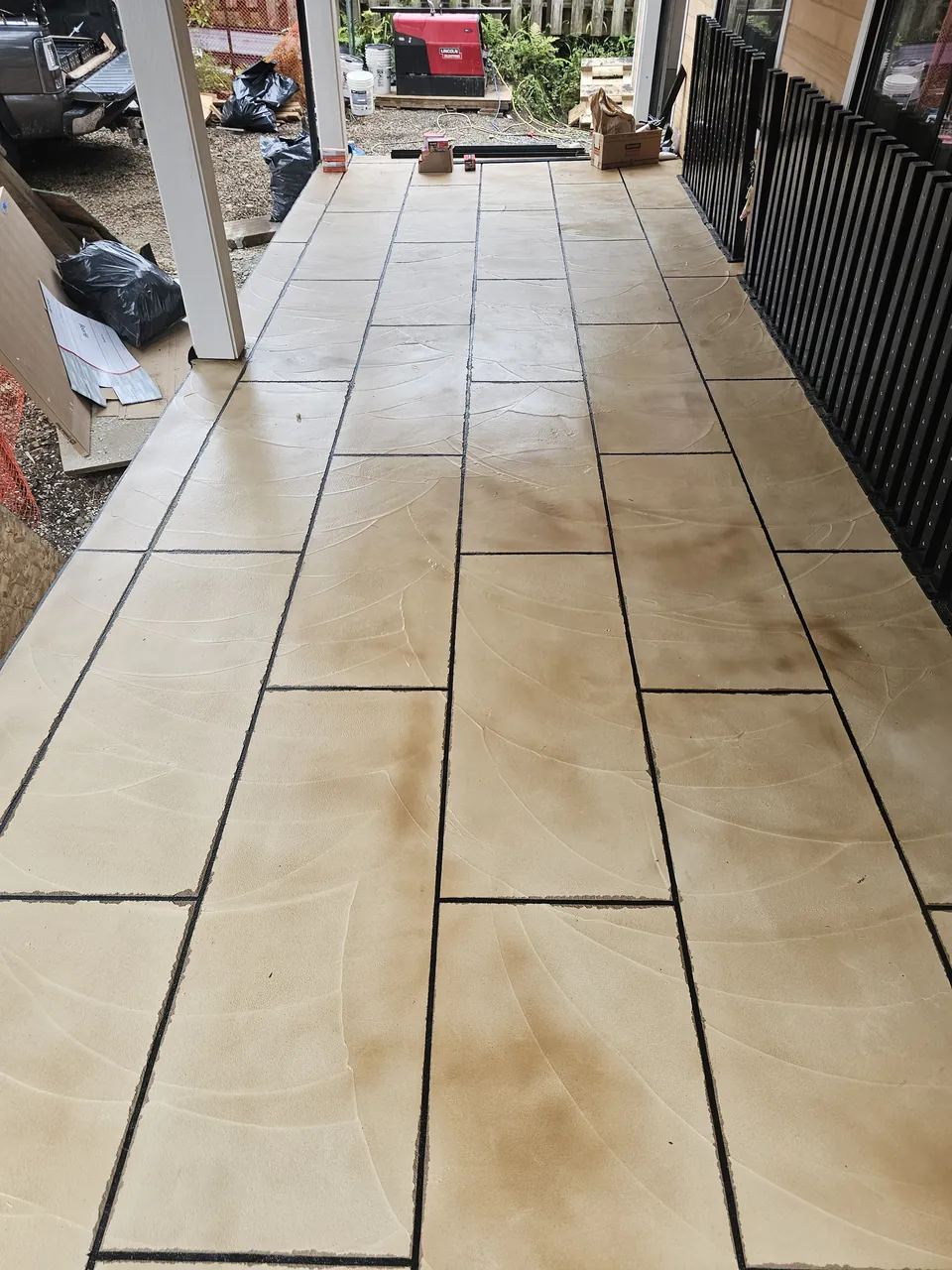
Decks have an extra layer of complexity because water, framing and flashing are involved. Every ALX Pro deck we install is covered by our 5-year workmanship warranty and, as a Westcoat QCA, by up to a 20-year Westcoat manufacturer warranty depending on the system and the surface it is installed over.
The manufacturer warranty relates to the Westcoat ALX Pro system. The workmanship warranty relates to our installation: the tear-off and repairs, the plywood and slope when required, the membrane and flashing details, the reinforcement and every coat in the stack. Both matter. A strong product installed over soft framing or incomplete flashing is still at risk. A careful install of an incomplete or unbacked product is also a weak bet. We build so you get the combination.
We confirm the applicable manufacturer term for your deck in writing. That is intentional. The term depends on the build, and homeowners deserve the number that matches their project, not a marketing ceiling that may not apply.
What Usually Is Not Covered
Without inventing exclusions that belong only in your written documents, it helps to know the usual shape of a workmanship warranty:
- Normal wear over years of foot traffic, vehicle use or weather is part of owning a coated surface. Warranties are not a promise that a floor or deck will look brand new forever.
- Damage from impact, abuse, alteration or misuse is generally outside workmanship coverage. Dropping a heavy tool, cutting into the surface or changing the system after we leave are examples of owner-side events.
- Neglect and skipped maintenance can shorten the life of any coating. A warranty that covers installation quality is not a substitute for basic care.
- Conditions the coating was never asked to fix, such as active water intrusion that was not repaired, or structural movement that continues after coating, are separate problems. We talk about those during the estimate so expectations stay honest.
Again: your written warranty is the controlling document. If you are comparing quotes, ask every installer to put their workmanship terms in writing and to say clearly whether a manufacturer warranty is included, who issues it, and for how long on your specific project.
How to Keep Coverage Valid Through Care and Maintenance
Good care does not replace a warranty, and a warranty does not replace good care. The two work together.
Garage and interior floors
- Keep grit swept or blown out so it does not act like sandpaper under tires and shoes.
- Wipe oil and chemical spills when you see them. A polyaspartic topcoat is built for garage use, but standing messes are still worth cleaning.
- Use mats in high-abuse drop zones if you do heavy shop work, and avoid cutting or grinding directly on the finished floor.
- If something looks wrong early, such as an unexpected soft spot, peeling edge or bubbling area, contact us instead of waiting. Early photos and a quick call help.
ALX Pro decks
- Sweep with water and a broom. For heavier dirt or grease, use a diluted degreaser and a soft-bristle brush, then rinse well.
- Westcoat recommends inspecting the system for wear every 2 to 4 years.
- Westcoat recommends resealing every 3 to 5 years, depending on foot traffic and UV exposure.
- Keep drains and edges clear so water can leave the surface the way the system was built to shed it.
Hold onto your written warranty papers, photos of the finished job and the project paperwork. If you ever need to make a claim, that file makes the process faster for everyone.
Questions Worth Asking Any Coating Installer
- Do you provide a written workmanship warranty, and for how long?
- Does it apply to both floors and decks, or only one?
- How do you prepare concrete: mechanical grinding or shot blasting, or something else?
- For decks, are you a manufacturer-qualified applicator, and is a manufacturer warranty included?
- What maintenance does the manufacturer recommend, and will that be in writing?
- Will the warranty terms for my specific project be confirmed before work starts?
Clear answers to those questions tell you more about a proposal than a glossy brochure does.
Frequently Asked Questions
What does the 5-year workmanship warranty cover?
It is our written commitment to the quality of our installation on every coating we install: garage epoxy and polyaspartic floors, and Westcoat ALX Pro decks. It relates to the work we performed, including preparation and the coats we applied.
Is the workmanship warranty the same as a manufacturer warranty?
No. The workmanship warranty is issued by 360 Surfaces. On ALX Pro decks, a separate Westcoat manufacturer warranty of up to 20 years may also apply, depending on the system and the surface it is installed over, because 360 Surfaces is a Westcoat Qualified Contractor Applicator.
Does every floor and deck get the 5-year workmanship warranty?
Yes. Every coating we install carries our 5-year workmanship warranty, in writing.
Why does surface prep matter for the warranty?
A coating is only as reliable as the surface under it. We prepare concrete by diamond grinding or dustless shot blasting, never acid etching, and we repair cracks and spalls before any coating goes down. On decks we inspect and repair the structure first. That prep is part of the installation the workmanship warranty stands behind.
What usually is not covered by a workmanship warranty?
Workmanship warranties generally address how the work was installed, not every later problem a surface can face. Normal wear, damage from misuse or impact, and problems that come from neglect or skipped maintenance are usually outside that kind of coverage. Your written warranty documents set out the specific terms that apply to your project.
How do I keep coverage valid?
Follow the care guidance for your system, keep the surface reasonably clean, and address issues early. For Westcoat ALX Pro decks, Westcoat recommends inspecting for wear every 2 to 4 years and resealing every 3 to 5 years, depending on foot traffic and UV exposure. Keep your written warranty papers and contact us if something looks wrong.
Request an Estimate
We will inspect your garage floor or deck, explain the system that fits, and confirm the warranty coverage for your project in writing. Call or text (360) 685-7222, email info@360surfaces.com, or request an on-site estimate.
360 Surfaces
Published November 6, 2026