
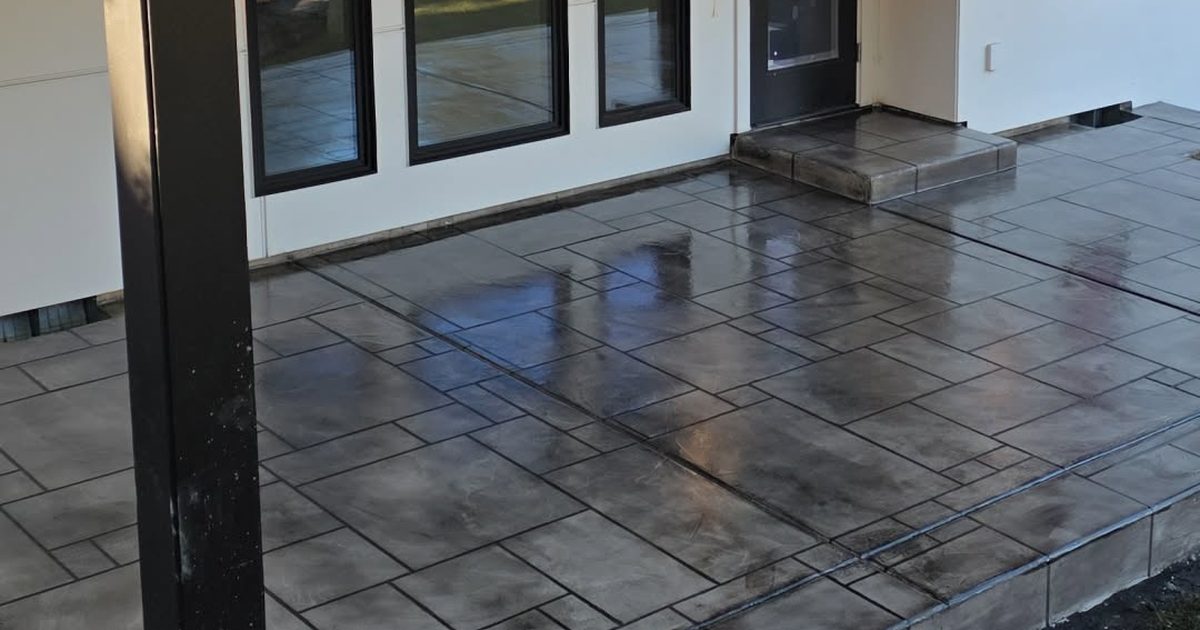
A waterproof coated deck is one of the lowest-maintenance outdoor surfaces you can put on a home. There are no boards to stain, no gaps collecting needles, and no fasteners working loose. But low maintenance is not no maintenance. A walkable deck coating like Westcoat ALX or ALX Pro is a layered system, and the thin topcoat on the surface is what protects everything underneath from sun, foot traffic and our long wet season.
This guide covers what we tell homeowners when we hand over a finished deck: how to clean it, what never to use on it, how to handle leaves, moss, planters, grills and the occasional snow day, when to schedule inspections, and how to tell it is time for a reseal. Most of it takes a broom, a hose and a few minutes. The cleaning and inspection guidance below follows Westcoat's own published care and maintenance documents, so it lines up with what the manufacturer expects from owners.
Why a Coated Deck Needs Care at All
On a Westcoat ALX or ALX Pro deck, the waterproofing comes from the full system: flashing, sheet membrane on the plywood seams, lath, cement-based base, slurry and texture coats, and (on ALX Pro) a fiberlath-reinforced resin membrane. On top of all that sits a thin acrylic topcoat. You walk on the topcoat. The sun hits the topcoat. Grit from shoes grinds against the topcoat.
Westcoat's maintenance guide puts it plainly: all coating systems require maintenance and upkeep to perform and to reach their full service life. The good news is that the work is mostly about keeping the surface clean, keeping water moving off the deck, and renewing the topcoat on schedule before the layers below are exposed. If you do those three things, you are taking care of the expensive part of the deck by maintaining the cheap part.
Routine Cleaning: The Simple Version
Westcoat's ALX specification says exterior surfaces can be swept daily with water and a broom. Nobody expects you to scrub your deck every day, but that tells you something useful: water and a broom are the right default tools. Here is a routine that works for most homes:
- Sweep regularly. Sand, gravel and grit act like sandpaper underfoot. Westcoat specifically calls out keeping the surface free of sand, gravel, metals and other abrasives that can wear the topcoat early.
- Rinse with a garden hose. A hose and a soft broom move most dirt, pollen and dust.
- Wash with a mild cleaner when needed. Westcoat lists a mild solution such as Simple Green or mild soap for routine cleaning. Agitate with a soft brush or broom, then rinse thoroughly with clean water.
- Do not let cleaner dry on the surface. Work in sections and rinse before the solution dries.
- Avoid cleaning in direct sun. Westcoat notes that direct sun can evaporate a cleaning solution and leave a film or residue. A cloudy day, which we have plenty of, is ideal.
Always test any cleaning product in an out-of-the-way spot first and follow the cleaner's own label and dilution rates. Westcoat recommends exactly that, because textures, topcoats and sealers vary.
Cleaning Tougher Stains
Grease, food and grime
For heavier dirt or grease, Westcoat's ALX specification calls for a degreaser diluted 20:1 with water, applied with a soft-bristle brush or broom and rinsed well. Grill areas, outdoor kitchens and the path between the back door and the yard tend to need this most often.
Hard-water and mineral spots
White, chalky spots from calcium or lime buildup can show up where sprinklers or downspouts hit the deck. Westcoat's guidance is to use 100-grain vinegar, starting at eight parts water to one part vinegar, and going to one part vinegar to one part water only if needed. Do not use it full strength. Scrub it over the area and rinse all residue off with clean water, and again, keep it out of direct sun while you work.
Moss, algae and organic stains
Shaded decks under big trees can collect needles, leaves and green growth over a Clark County winter. The fix starts with not letting debris sit: wet leaves hold moisture against the surface and stain. Sweep and rinse often during leaf season, then wash with a mild cleaner and soft brush. Before you reach for anything stronger or more aggressive, ask your installer. Westcoat cautions that aggressive chemicals, abrasive pads and incompatible cleaners can damage the finish or shorten the coating's life.
Pressure Washing: Low Pressure Only
This is the mistake we see most. A gas pressure washer with a narrow tip can etch, scar or strip a deck topcoat in seconds. Westcoat's care guide allows a pressure washer only at low pressure: do not exceed 1,000 psi, and use a fan tip. A soft-bristle floor scrubber brush on a floor machine can also help. What Westcoat says never to use: metal-based or coarse brushes.
If you are not sure what pressure your washer puts out, skip it. A hose, a soft deck brush and a mild cleaner will handle almost everything a homeowner runs into.
Do and Don't Cheat Sheet
| Situation | Do | Don't |
|---|---|---|
| Everyday dirt | Sweep; rinse with water and a soft broom | Let sand and grit build up in walkways |
| Routine washing | Mild soap or a mild cleaner like Simple Green; rinse well | Let cleaner dry on the surface or wash in direct sun |
| Grease | Degreaser diluted 20:1, soft-bristle brush, rinse | Use solvents or harsh chemicals without asking your installer |
| Mineral spots | 100-grain vinegar diluted 8:1 (up to 1:1), rinse completely | Use vinegar full strength |
| Pressure washing | 1,000 psi max with a fan tip | Narrow tips, high pressure, metal or coarse brushes |
| Rugs and mats | Leave the coating open to dry | Outdoor carpet or mats that trap moisture |
| Planters | Elevate them, use saucers, move them monthly | Set pots directly on the coating for months |
| Furniture | Coasters or pads under legs | Drag heavy metal or concrete items across the deck |
| Grills | Protective pan under the barbecue | Let hot grease or coals hit the coating |
| Damage | Call the original installer right away | Cut, puncture or patch the membrane yourself |
Living on the Deck: Furniture, Planters, Grills and Rugs
Most coating damage on a residential deck is not from weather. It is from how the deck gets used. Westcoat's best practices list covers the common ones:
- Outdoor carpet and mats: not recommended. They trap moisture, can contribute to mildew and mold, and can damage the topcoat.
- Potted plants and planter boxes: elevate them off the surface and move them monthly so the coating underneath can dry. Use drip pans or saucers, because planter drainage with fertilizer and soil can stain.
- Outdoor furniture: use coasters or pads to prevent indentations and damage.
- Barbecues: place a protective pan under the grill to catch hot grease and coals.
- Heavy objects: avoid dragging bulky metal, concrete or similar items across the surface. Lift and carry, or use a dolly with soft wheels.
- Cuts and punctures: do not cut, slice or puncture the coating. This matters most on waterproofing systems such as ALX and ALX Pro, because a puncture is a path for water into the plywood.
That last point includes things homeowners do not think of as damage: screwing a planter bracket or a satellite mount through the deck surface, or anchoring a new railing post without the installer. If something needs to be attached through the coating, talk to us first so the penetration can be detailed and sealed correctly.
Keep Water Moving
A coated deck is built with slope so water runs off. Your job is to keep that path open. Westcoat's maintenance guidance for exterior systems includes keeping drains, scuppers and gutters clear, removing standing water where possible, and clearing dirt, leaves and organic debris.
In the Vancouver, WA area, that means a quick check after every big windstorm and through leaf season. A scupper plugged with fir needles can turn a well-sloped deck into a shallow pond. If you notice water that always collects in the same spot long after a rain, mention it at your next inspection. Ponding can point to a drainage or framing issue worth looking at.
Winter Care: Snow, Ice and Wet Months
Our winters are mostly wet rather than snowy, so the main winter job is keeping debris off and drains open. When we do get snow or ice, a few common-sense habits help protect the topcoat:
- Use a plastic shovel or a broom, not a metal-edged shovel or ice chipper, consistent with Westcoat's warning against metal and coarse tools and against dragging metal across the surface.
- Ask your installer before using any de-icing product. Westcoat cautions against cleaners and chemicals that have not been reviewed by the installer or manufacturer.
- Do not chip at ice. Let it melt or clear loose snow gently.
Coated surfaces can be slick when wet, frosty or icy, like most outdoor surfaces. Take care on steps and landings on cold mornings.
Inspections: What Westcoat Expects
Westcoat's exterior care guide states that exterior systems should be periodically inspected and regularly maintained by a Westcoat Qualified Contractor Applicator (QCA), and that inspections are required one year after installation and every two years after that. Westcoat's ALX system specification also says the system should be inspected for wear every 2 to 4 years. Follow whatever your written warranty paperwork requires; when in doubt, the one-year-then-every-two-years schedule is the one to keep.
360 Surfaces is a Westcoat Qualified Contractor Applicator. During an inspection we look at:
- Traffic lanes and stair treads for topcoat wear
- Edges, wall-to-deck transitions, drip edges and flashing
- Penetrations such as railing posts, drains and scuppers
- Hairline cracks, impact damage or soft spots underfoot
- Ponding areas and drainage paths
- Any changes in texture or slip resistance
Westcoat also recommends keeping a simple maintenance file: the system installed, the installer's contact information, the install date, warranty documents, cleaning recommendations, inspection records, repair history, reseal history and photos of the surface over time. Taking a few phone photos of the deck each spring is an easy way to start.
Resealing: The Most Important Maintenance Step
A reseal is a thorough cleaning followed by a fresh application of Westcoat topcoat or sealer. Westcoat's ALX specification says the system should be resealed every 3 to 5 years depending on traffic and UV exposure, and its care guide notes that a reseal may be required after 3 to 5 years. Before the new topcoat goes on, the existing sealer is lightly abraded so the new coat bonds, and some topcoats need extra prep.
Where your deck falls in that range depends on how it is used. A covered porch with light traffic may sit at the long end. A south-facing deck in full sun, or a busy stair and landing between the kitchen and the yard, tends to need it sooner.
Signs it may be time for a reseal
Westcoat lists these as signs a coated surface may need a professional review:
- Visible wear in traffic lanes
- Loss of gloss or uneven finish
- Areas that are harder to clean than they used to be
- Surface scratches or abrasion
- Fading or weathering
- Damage near drains, joints, edges or penetrations
- Changes in texture or slip resistance
- Cracks or movement in the substrate
Fading and dulling over time are normal for exterior coatings exposed to sun and weather. A reseal refreshes the surface. The point of resealing on schedule is to renew the wearing layer before the cement coats and membrane underneath start taking the abuse. Waiting until a deck is badly worn usually means more prep and repair work, and Westcoat itself notes that a planned maintenance cycle is usually more cost-effective.
Resealing is a job for the installer, not a weekend project. Westcoat tells owners to contact the original installer for complete recoat instructions, because the topcoat has to be compatible with the system and the prep has to be right. If your deck was installed by someone else and you cannot reach them, we can inspect it and tell you what we see.
Maintenance and Your Warranty
On decks we install with Westcoat ALX or ALX Pro, 360 Surfaces provides a 10-year workmanship warranty, and ALX Pro is eligible for up to a 20-year Westcoat manufacturer warranty. Both depend on the deck being cared for. Westcoat's warranty guidance lists lack of required maintenance, improper cleaning methods, harsh chemicals, abuse or impact damage, and failure to document inspections or repairs among the factors that can affect coverage.
In practice, the care routine in this guide, scheduled inspections and on-time reseals are what keep the warranty meaningful. Keep your paperwork, keep your inspection records, and call us right away if the coating gets damaged. Westcoat's guidance is to contact the original applicator to inspect and repair damage immediately, before water has a chance to get in. For the full breakdown, see our guide to deck coating warranties.
A Simple Yearly Calendar
| When | What to do |
|---|---|
| Every week or two (or as needed) | Sweep; rinse with a hose; clear leaves and needles |
| Monthly | Move planters so the coating underneath dries; check drains and scuppers |
| Spring | Mild-cleaner wash on a cloudy day; take photos for your maintenance file; check furniture pads |
| Fall | Clear gutters, drains and scuppers before the rainy season; wash off pollen and grime |
| Winter | Keep debris and standing water off; plastic shovel only if it snows |
| 1 year after install, then every 2 years | Inspection by a Westcoat QCA |
| Every 3 to 5 years | Professional reseal, timed by traffic and sun exposure |
Frequently Asked Questions
How often should I clean a waterproof coated deck?
Sweep and rinse as often as needed to keep sand, grit and leaves off. Westcoat's specification says exterior surfaces can be swept daily with water and a broom. Wash with a mild cleaner when it looks dirty, and rinse thoroughly.
Can I pressure wash a Westcoat ALX deck?
Only at low pressure. Westcoat's care guide says not to exceed 1,000 psi and to use a fan tip. Never use metal or coarse brushes. A hose, a soft brush and a mild cleaner are usually enough.
How often does a coated deck need to be resealed?
Westcoat says ALX systems should be resealed every 3 to 5 years depending on traffic and UV exposure. Busy, sunny decks tend to need it sooner, covered and lightly used decks later.
Can I put an outdoor rug on my coated deck?
Westcoat does not recommend outdoor carpet or mats on its exterior coatings, because they can trap moisture, contribute to mildew and mold, and damage the topcoat.
Who should inspect my deck coating?
Westcoat says exterior systems should be inspected and maintained by a Westcoat Qualified Contractor Applicator, with inspections one year after installation and every two years after that. 360 Surfaces is a Westcoat QCA.
Need a Deck Inspection or Reseal?
We install, inspect and reseal Westcoat ALX and ALX Pro waterproof deck systems on decks, balconies, porches and stairs. Serving Vancouver, WA and surrounding communities. Request an estimate online or email info@360surfaces.com, and we will look at the deck in person and tell you in writing what it needs.
360 Surfaces
Published November 27, 2026
Where We Do This Work
Deck repair, waterproof coatings and reseals. Serving Vancouver, WA and surrounding communities:
Vancouver, WA · Camas, WA · Battle Ground, WA · Ridgefield, WA · Salmon Creek, WA · Washougal, WA · Brush Prairie, WA · Hazel Dell, WA · La Center, WA · Kalama, WA · Kelso, WA · Longview, WA · Castle Rock, WA