Plywood decks need a system made for plywood: every seam bridged, the surface reinforced, and the edges flashed so water runs off the deck instead of into it. That is how we install Westcoat ALX Pro.
Plywood makes a good deck base. It is strong, flat and easy to slope. But it moves. Each sheet swells a little in a wet Vancouver winter and shrinks back in a dry August, and the joints between sheets open and close with it. A paint or thin roll-on coating cannot stretch with that movement, so it cracks right along the seam lines.
Once a seam opens, water runs into the plywood edges. The plies start to separate, the edges go soft, and rot spreads out from the seam into the sheet and down into the joist below. On many decks we open up, the damage runs in straight lines that match the plywood layout exactly.
Inside the coating
The layers that keep a deck dry
Not paint, not a sealer. A bonded, layered system built over plywood or concrete.
For decks, balconies & concrete
Westcoat ALX Pro deck system
Plywood or concreteFailing surfaces removed, framing repaired and new plywood installed where needed. ALX Pro also goes over concrete.
Sheet membraneApplied over every plywood seam.
Reinforcing lathFastened across the deck to anchor the system.
Base coatPolymer-modified cement troweled into the lath.
Slurry and texture coatsBuild the walking surface and the decorative finish.
Acrylic topcoatTwo coats seal the finished surface. Class A fire rated system.
How ALX Pro is built over plywood
Seam membrane: sheet membrane goes over every plywood seam first, bridging the joint so movement does not crack the surface
Lath: reinforcing lath is fastened down across the deck
Base coat: a cement base is troweled into the lath
Waterproof membrane: a fiberlath-reinforced resin membrane is the layer that stops water
Slurry coat: a smooth, even surface
Texture coat: appearance and slip resistance
Topcoat: two coats of SC-10 acrylic seal the system
Built that way, the plywood sits under one bonded surface that moves with it instead of fighting it.
Flashing: the edges matter as much as the seams
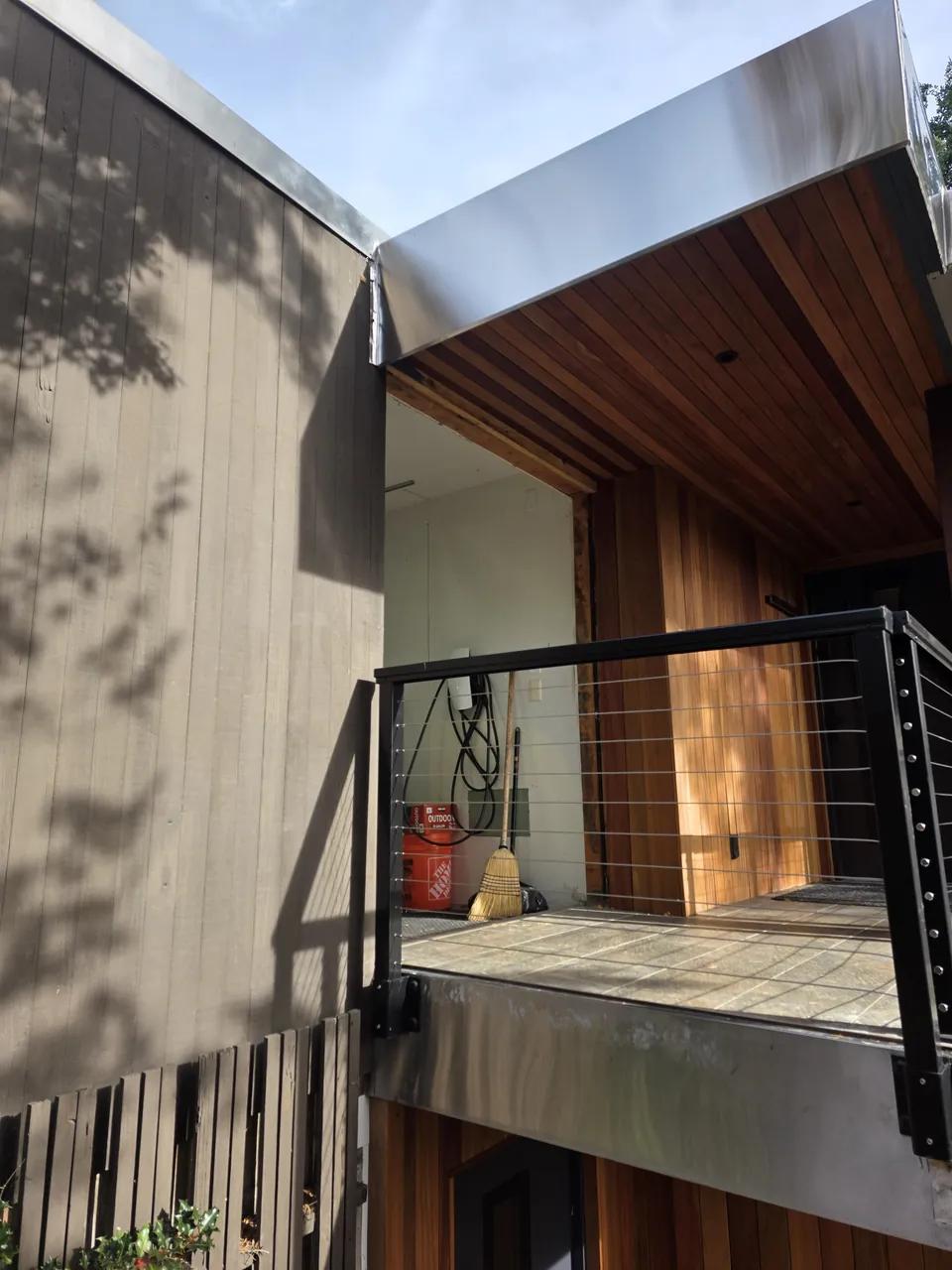
A plywood deck has three edges that need flashing. At the house wall, the waterproofing should turn up and lap behind the siding or trim, so water running down the wall lands on the deck and not behind it. At the door, the threshold has to be detailed so water cannot slip under the sill. At the outer edge, a drip edge throws water clear of the rim board and fascia.
When we find rot on a plywood deck, one of those three is often part of the story. Fixing the flashing while the deck is open is part of doing the job right.
Drainage belongs on the same list. A plywood deck surrounded by walls or parapets, like many rooftop decks near Uptown Village, sends its water to a scupper or drain instead of over an open edge. That outlet has to be lapped into the membrane and kept clear of leaves, or the deck turns into a shallow pond every time it rains. We check where every drop is supposed to go before we start.
When the plywood is already damaged
A coating is only as good as what it is bonded to. Before the system goes down, we replace plywood that is soft, delaminated or rotted, and repair joists where needed. Sound sheets stay. See deck repair for more on that side of the job.
Plywood that has been wet for a long time shows it: dark gray edges, a hollow sound when tapped, surface plies peeling up, or a spongy feel near the seams. We check for all of it at the estimate.
Plywood decks in Vancouver homes
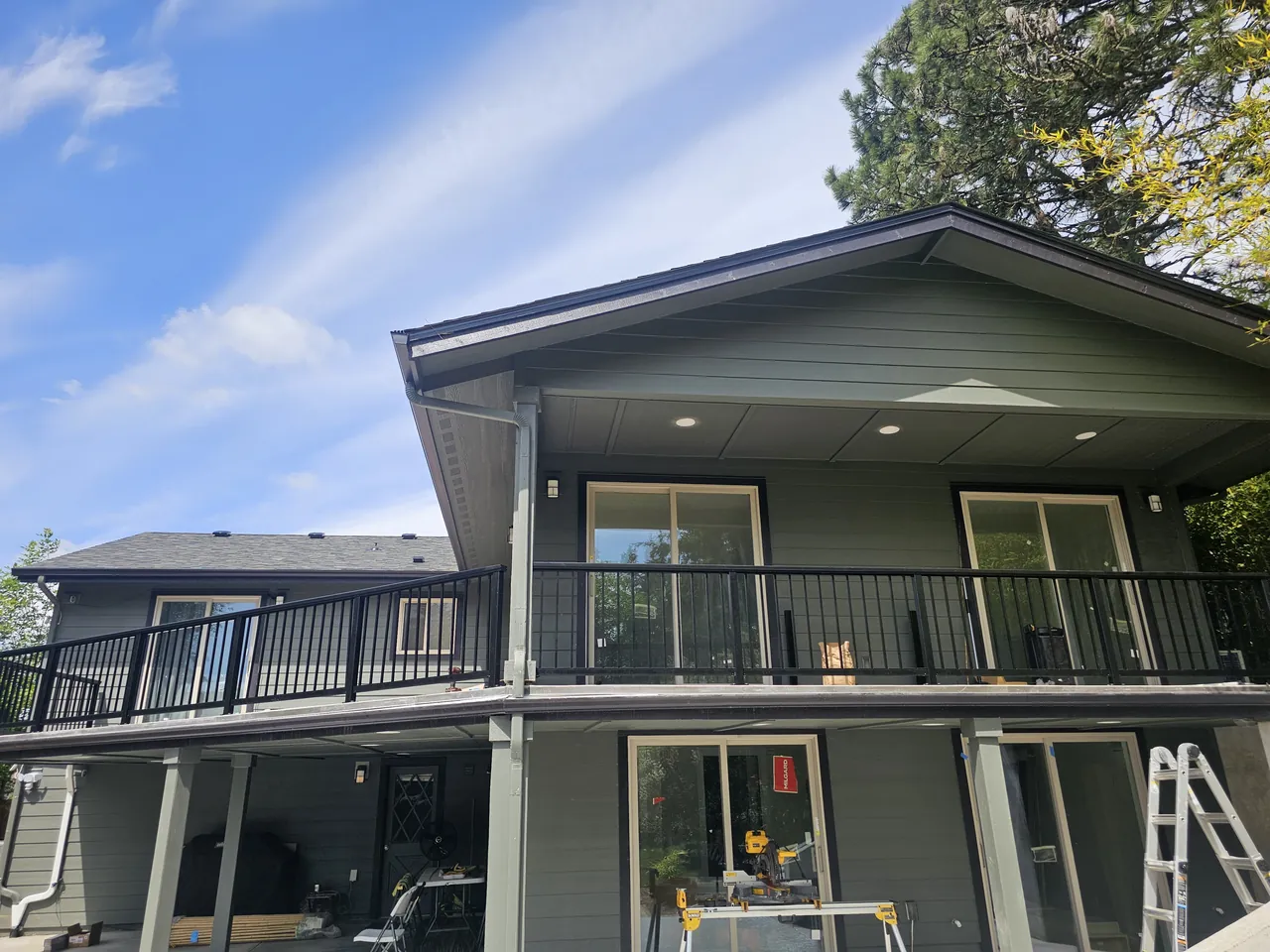
Plywood decks are all over Vancouver: second-story decks over walkout patios in Cascade Park and Fishers Landing, decks over garages on older split-levels off Mill Plain and Fourth Plain, and rooftop decks and balconies on newer townhomes around Uptown Village and the waterfront. Most were built with plywood because it can be made waterproof, unlike spaced deck boards.
The local challenge is moisture. Shaded plywood decks under the firs in Felida and Salmon Creek barely dry out from fall to late spring, and east-side decks take rain blown in by the winter Gorge wind. Both are reasons the seam and edge details matter more here than in a drier climate.
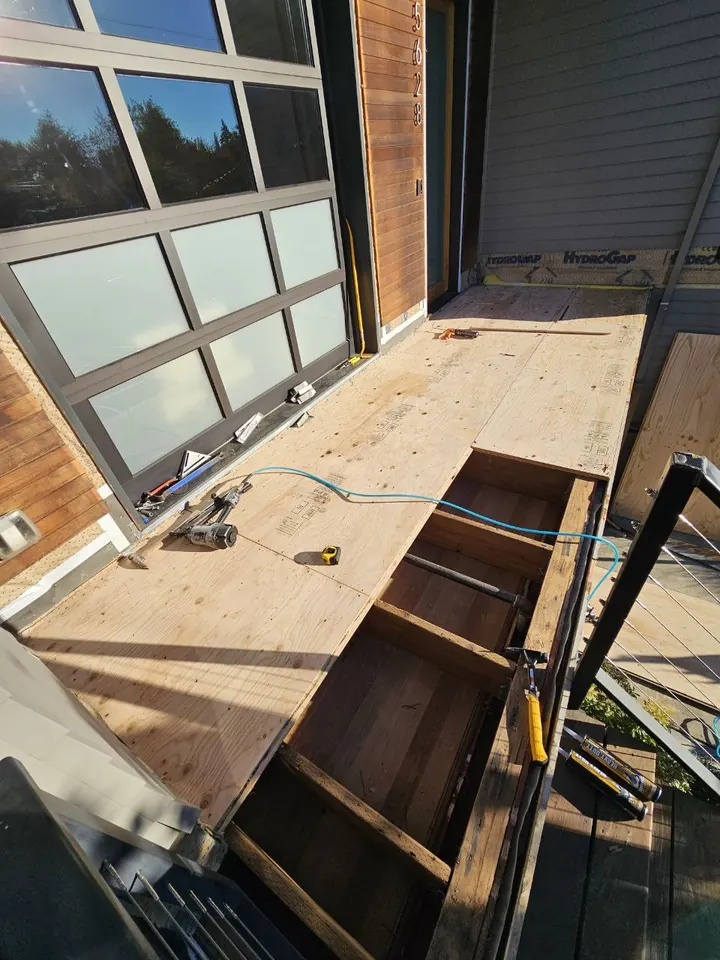
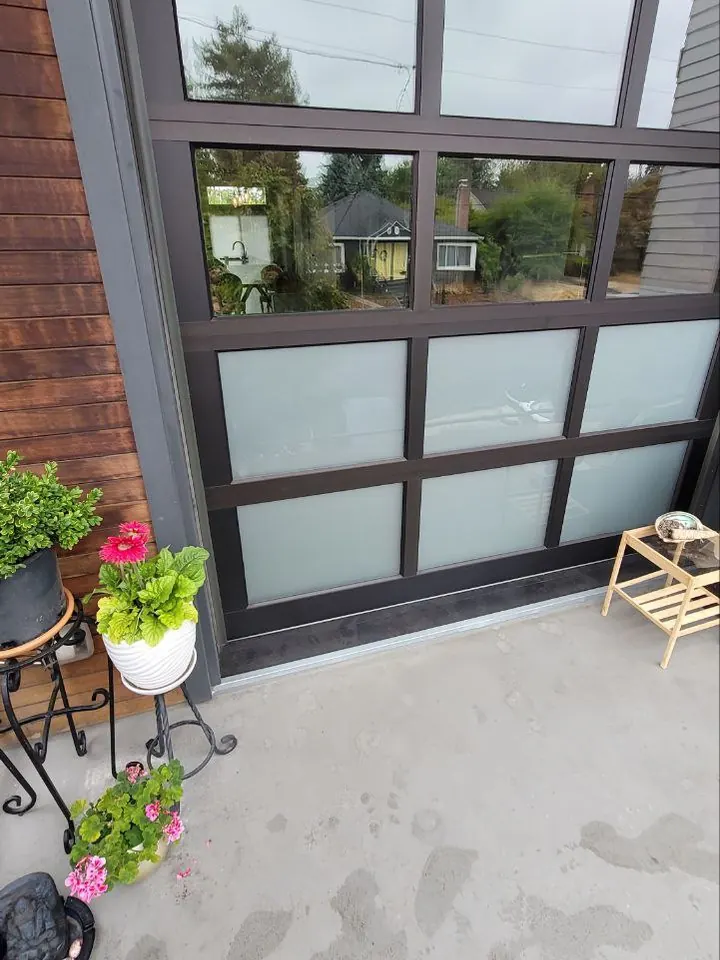
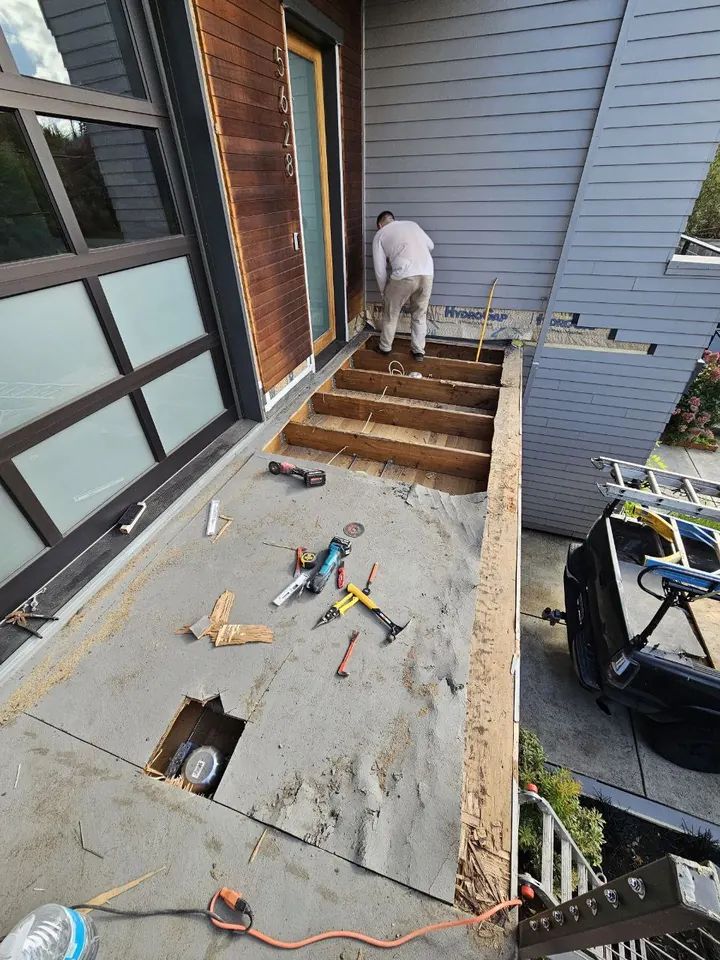
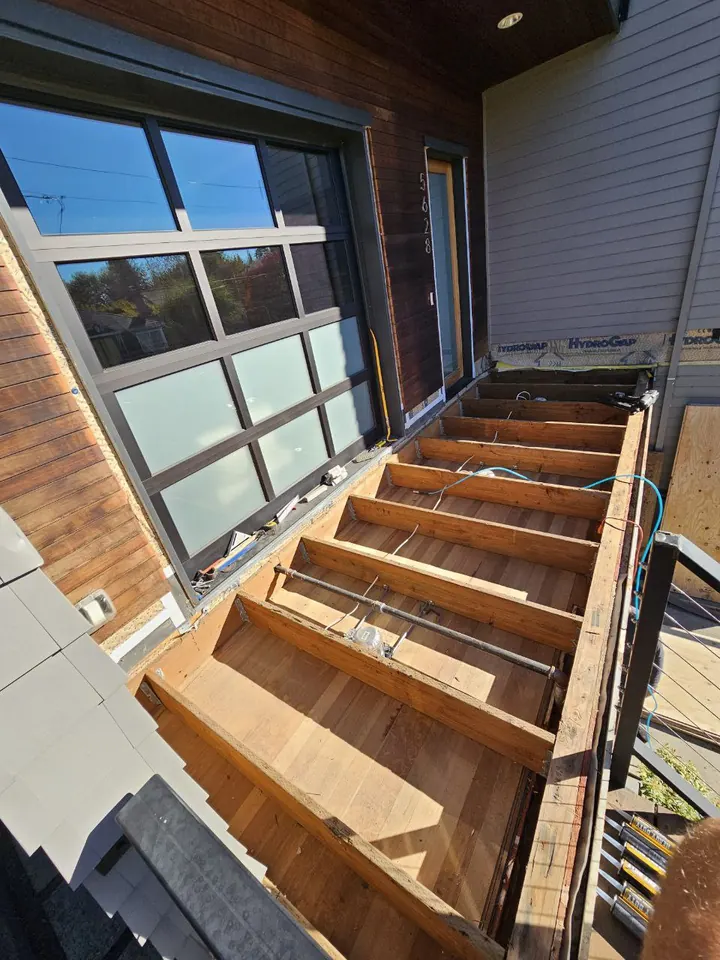
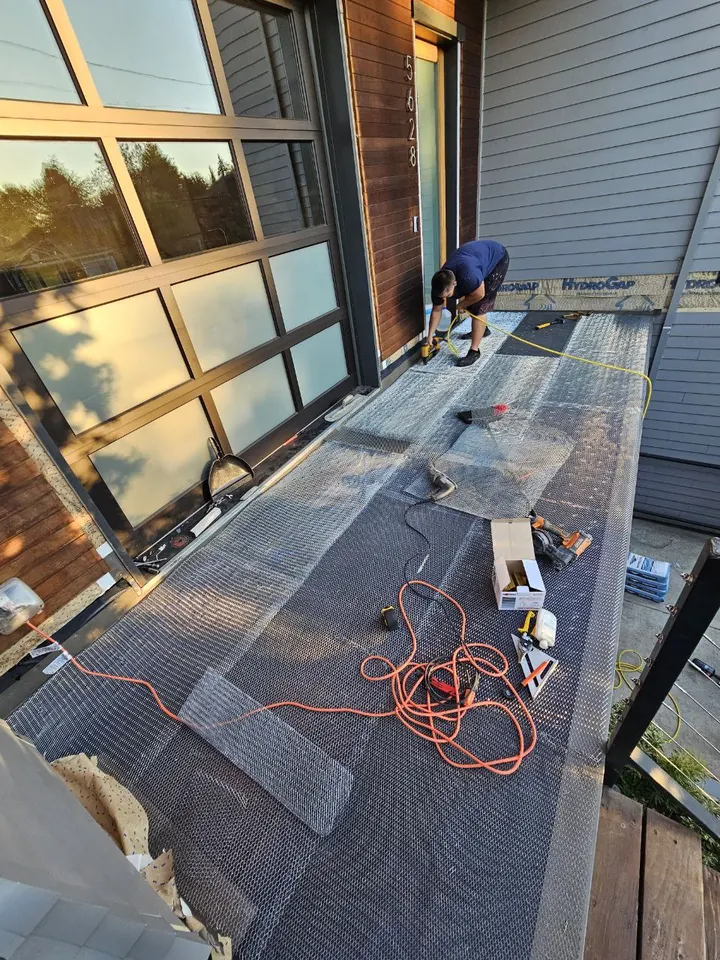
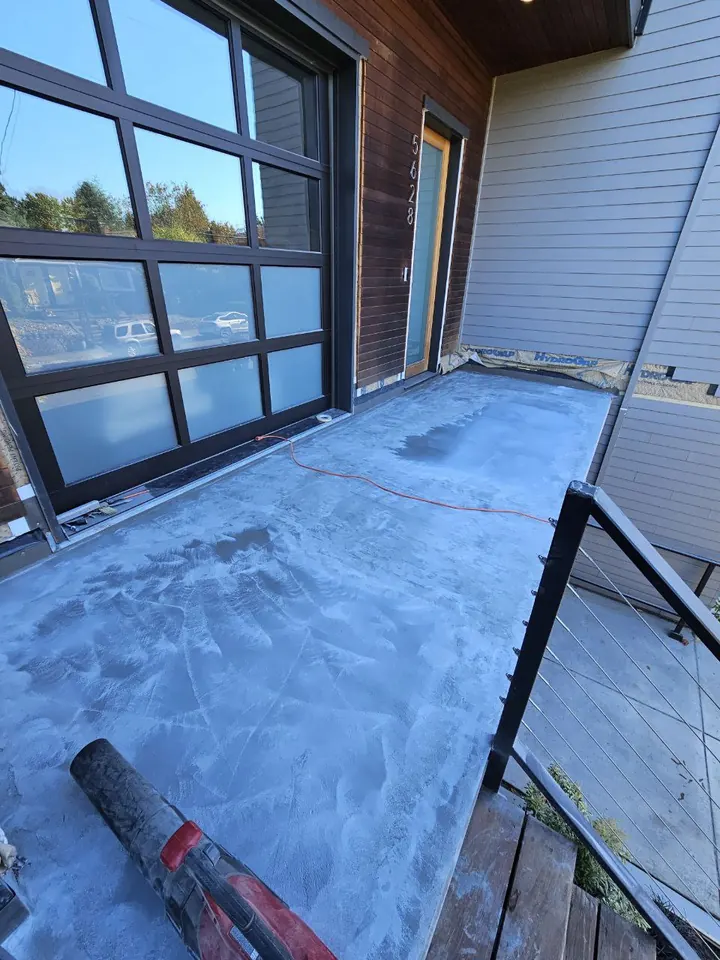
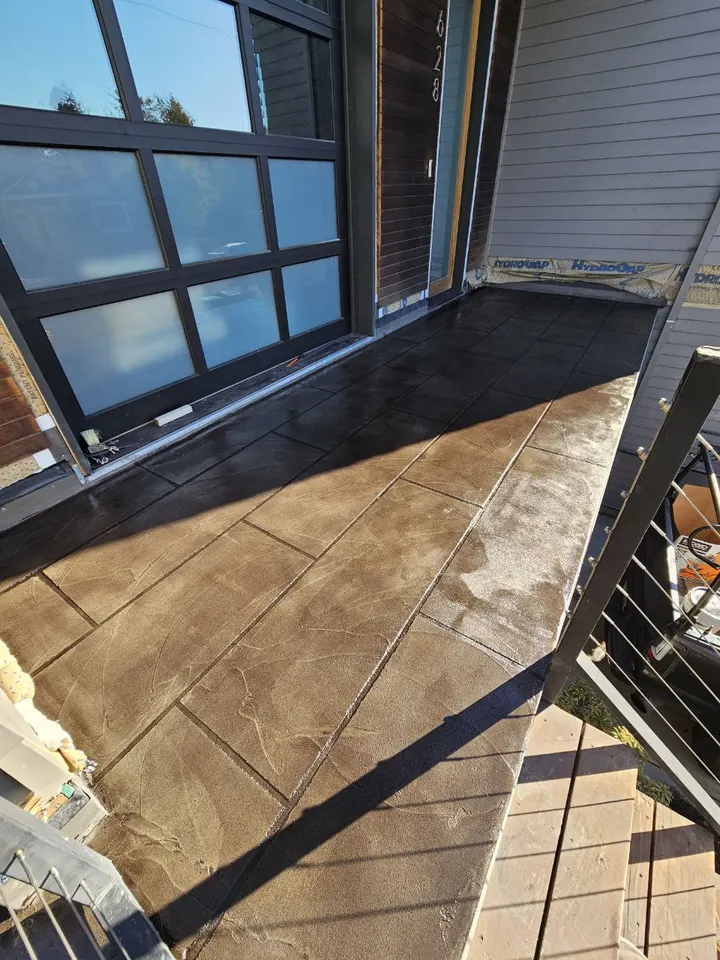
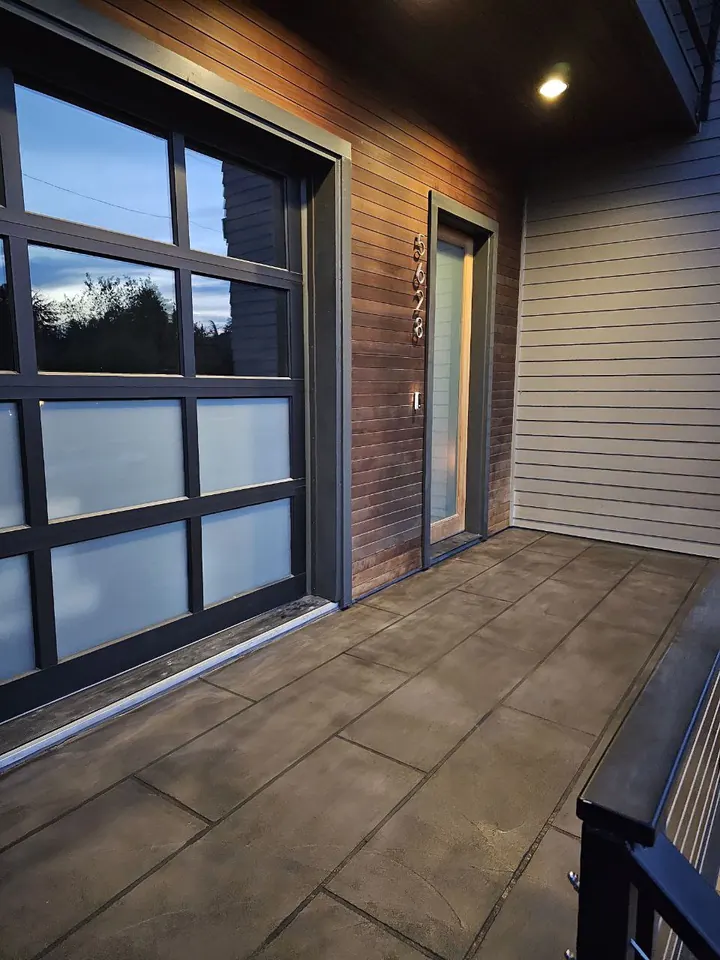
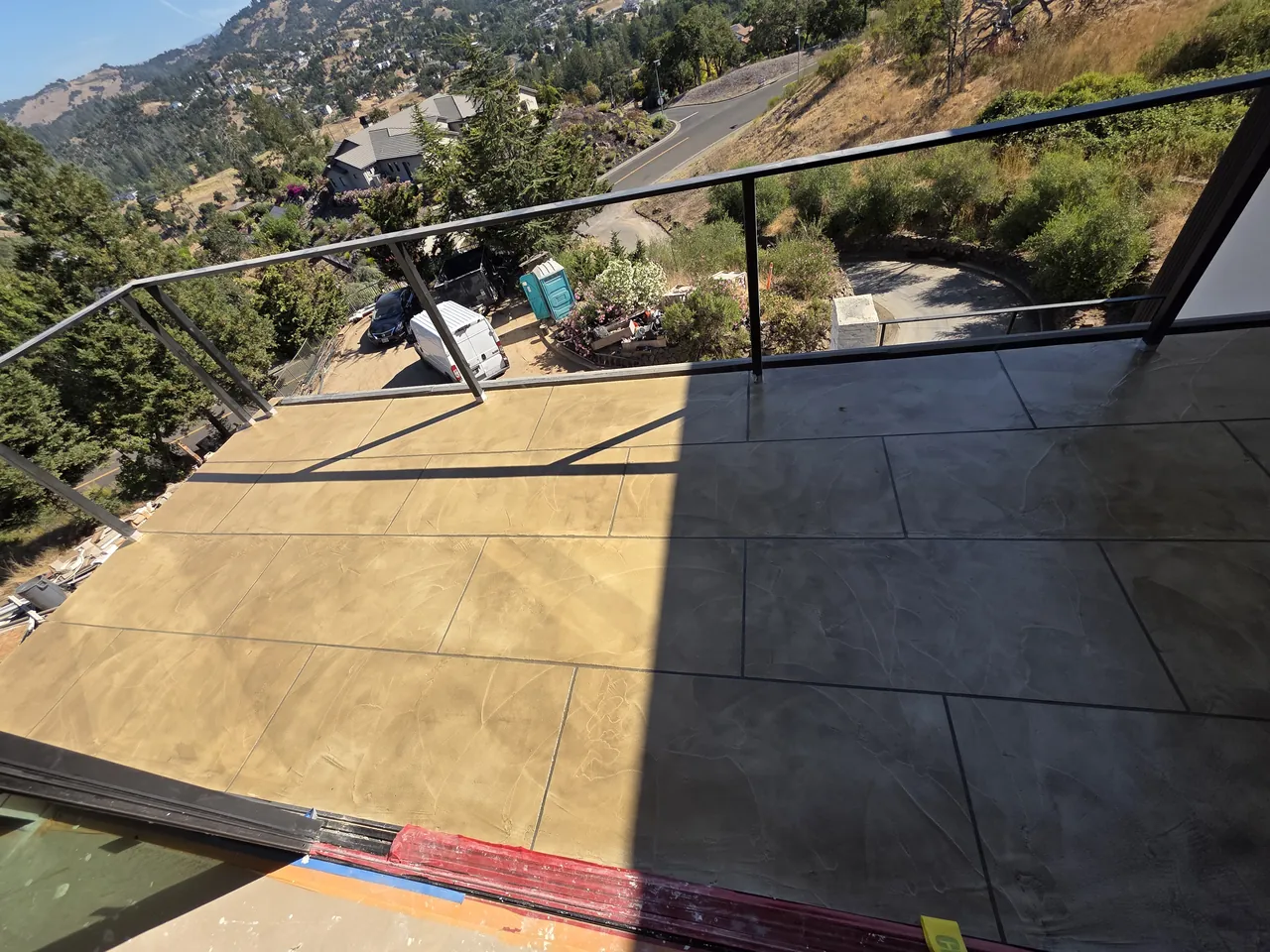
These photos follow one of our own balcony jobs. Step five is the seam work that makes plywood waterproof.
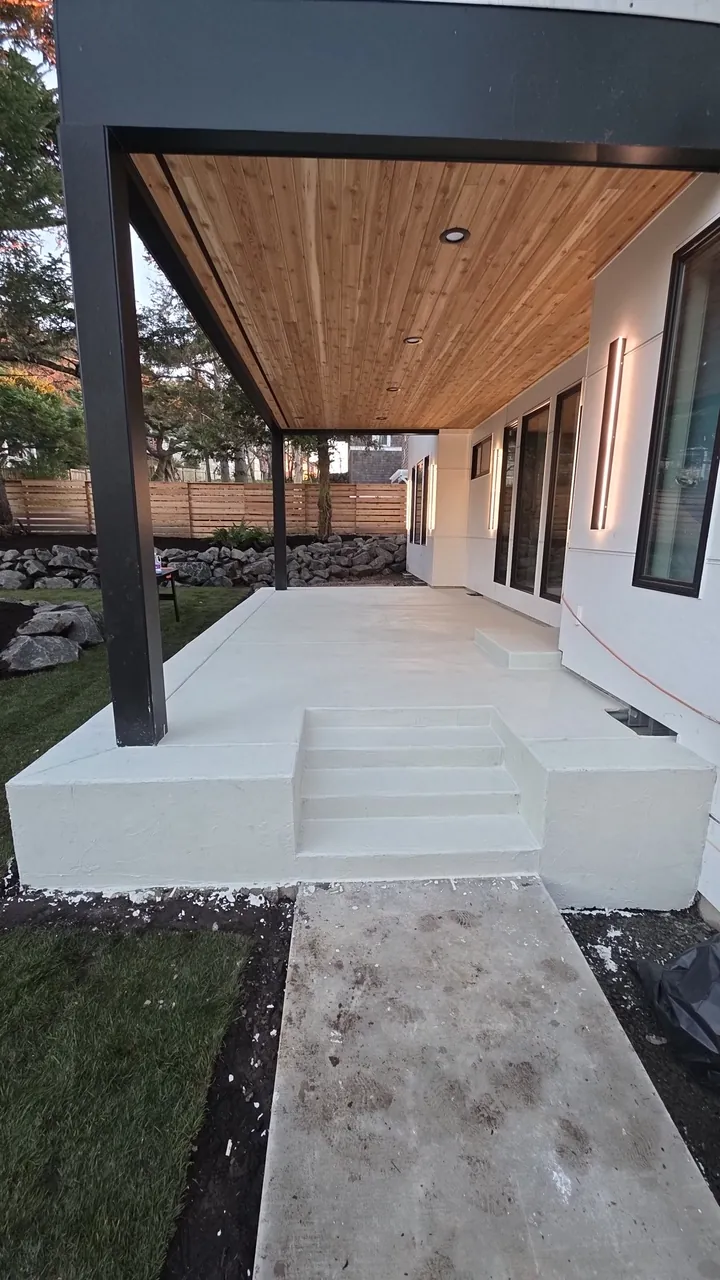
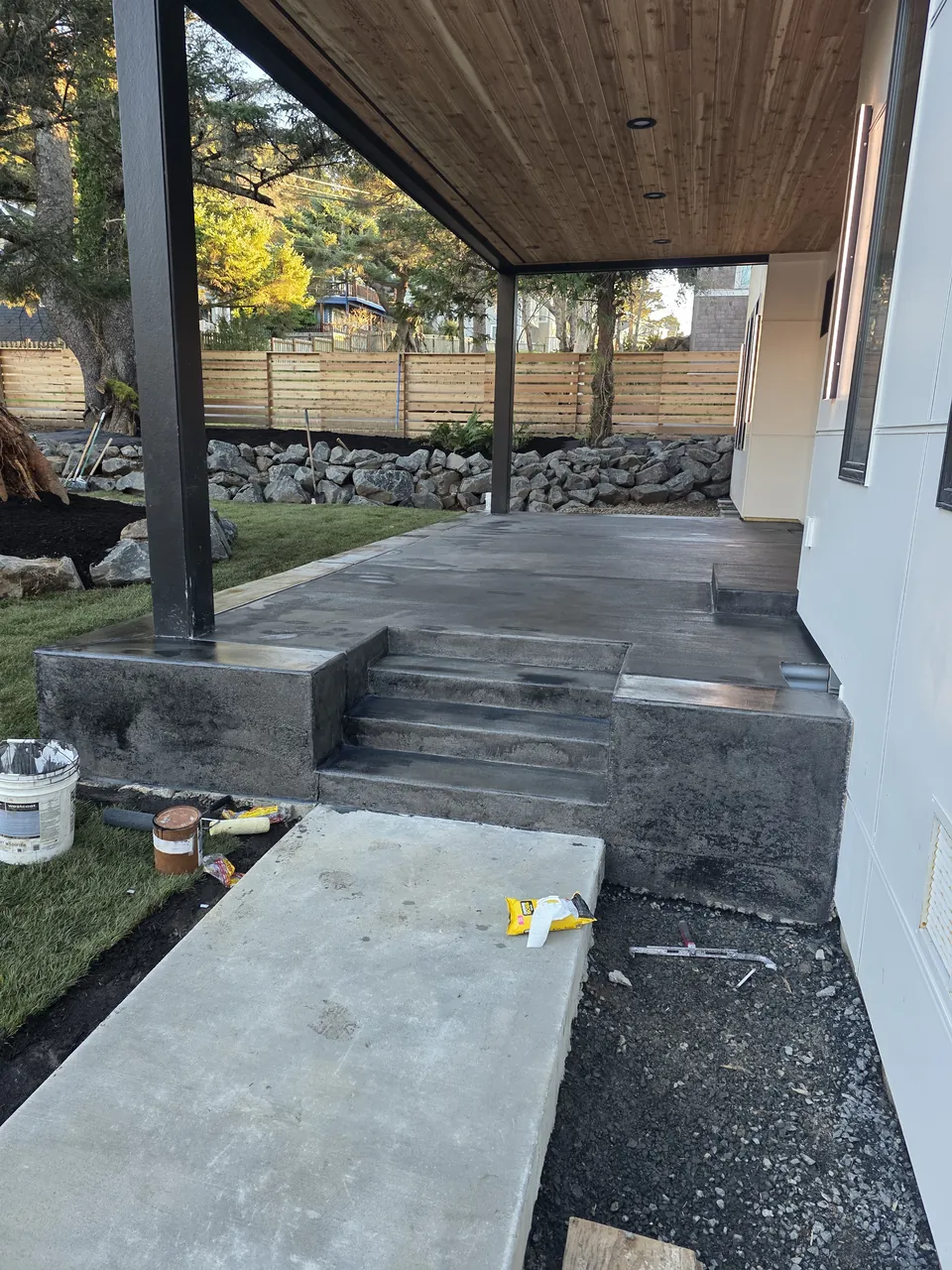
1. BeforeThe original deck, checked for cracks along the seams and for soft plywood.2. Down to the sheetsThe old surface comes off so every seam and sheet can be inspected.3. JoistsJoists under rotted seams are repaired.4. Plywood replacedDelaminated or rotted sheets are swapped for new plywood.5. Seams bridgedSheet membrane over each seam, then lath fastened across the plywood.6. Base and membraneCement base coat into the lath, followed by the fiberlath-reinforced waterproof membrane.7. Surface coatsSlurry and texture coats create the walking surface.8. SealedTwo SC-10 acrylic topcoats finish the plywood deck: fully waterproof and Class A fire rated.
What the finished plywood deck gives you
One waterproof surface over the plywood, protecting the framing and anything below
Class A fire rated, one-hour fire-rated assembly
WUI compliant, IAPMO ER-587
Skid-resistant texture under a UV-resistant topcoat
Much thicker than paint: a multi-layer build of membrane, lath, base and texture coats
Maintenance: reseal the topcoat every 3 to 5 years, as Westcoat recommends
Up to a 20-year Westcoat manufacturer warranty, depending on the system and surface
Finishes for a plywood deck
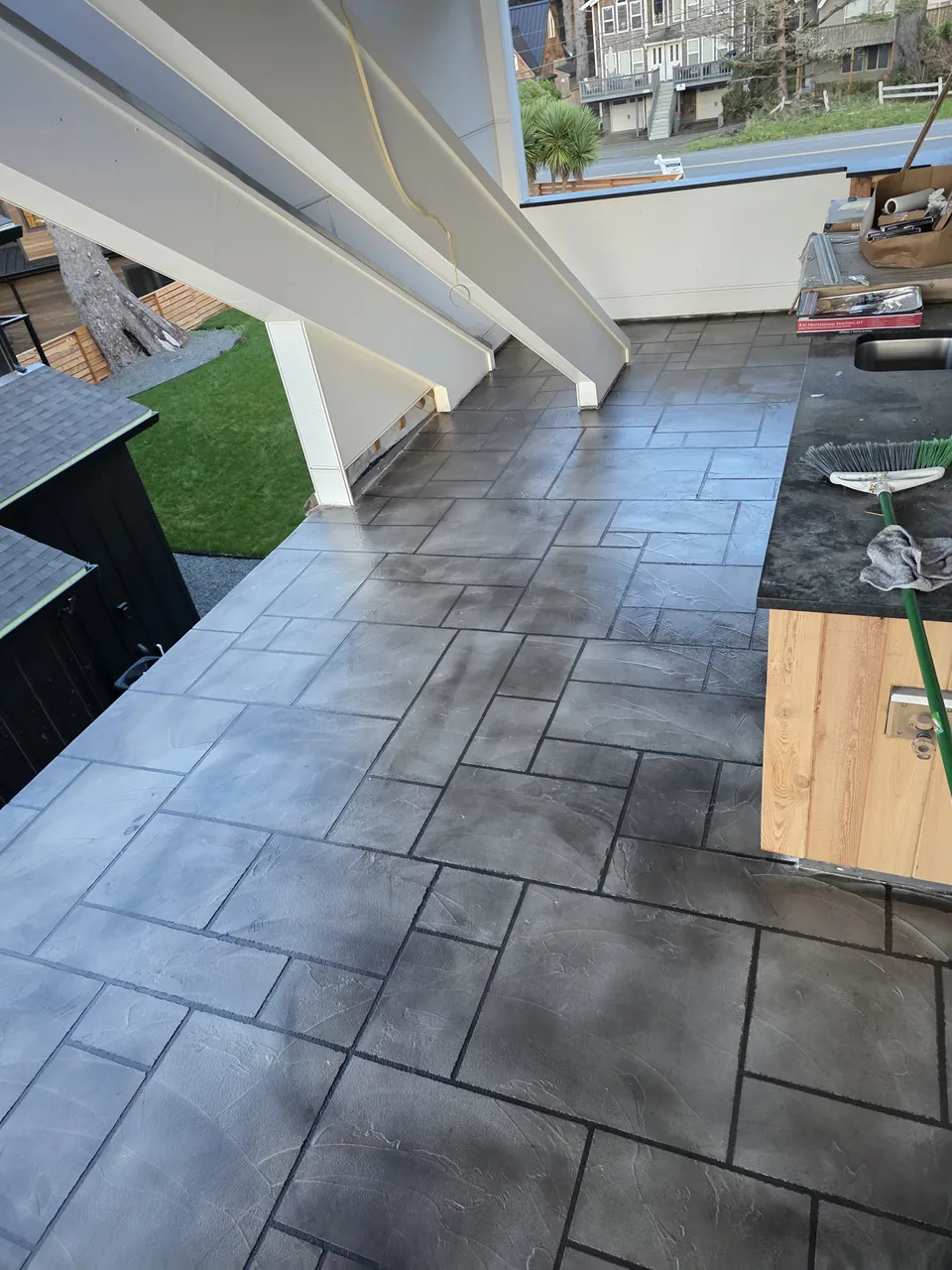
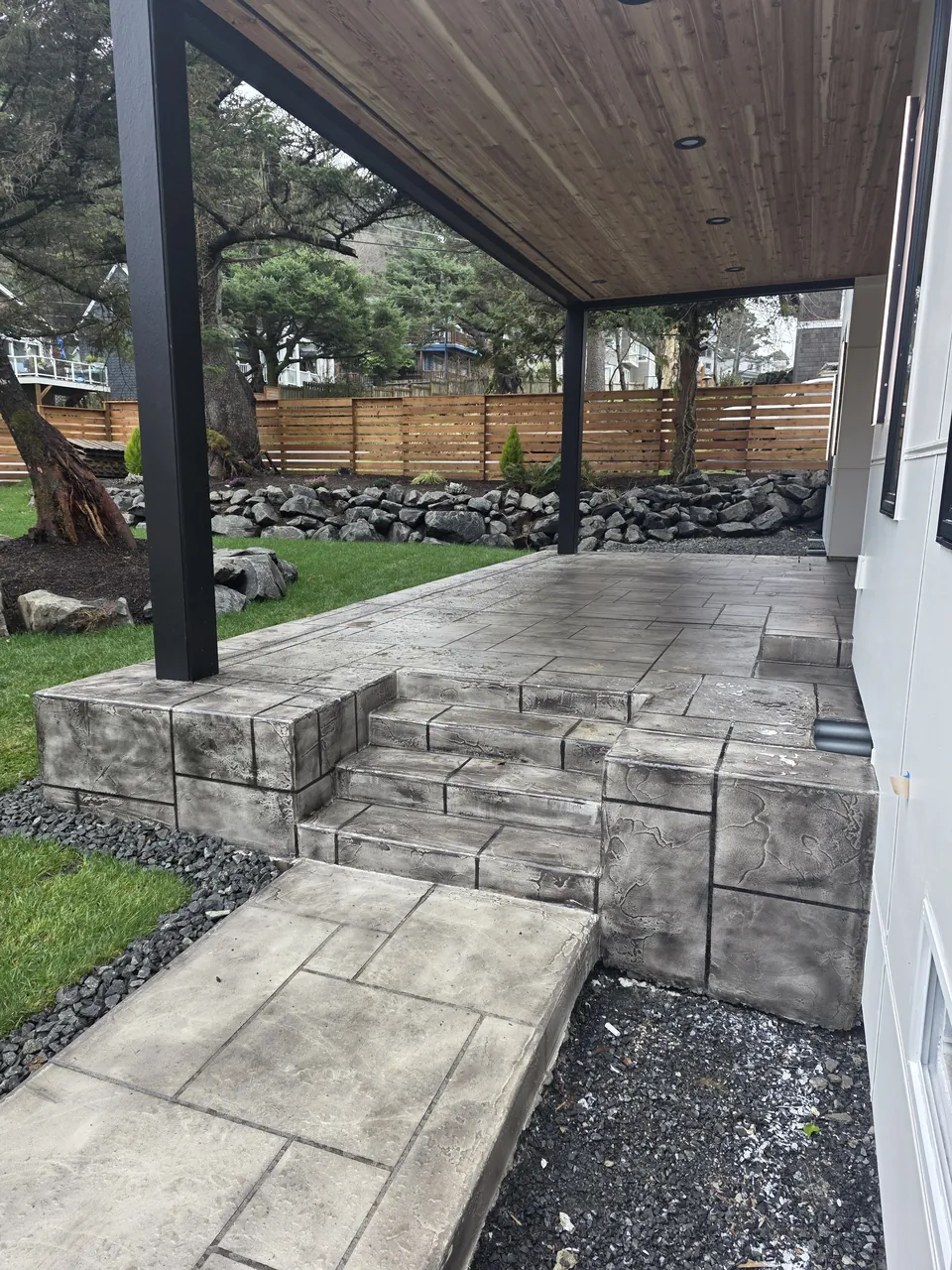
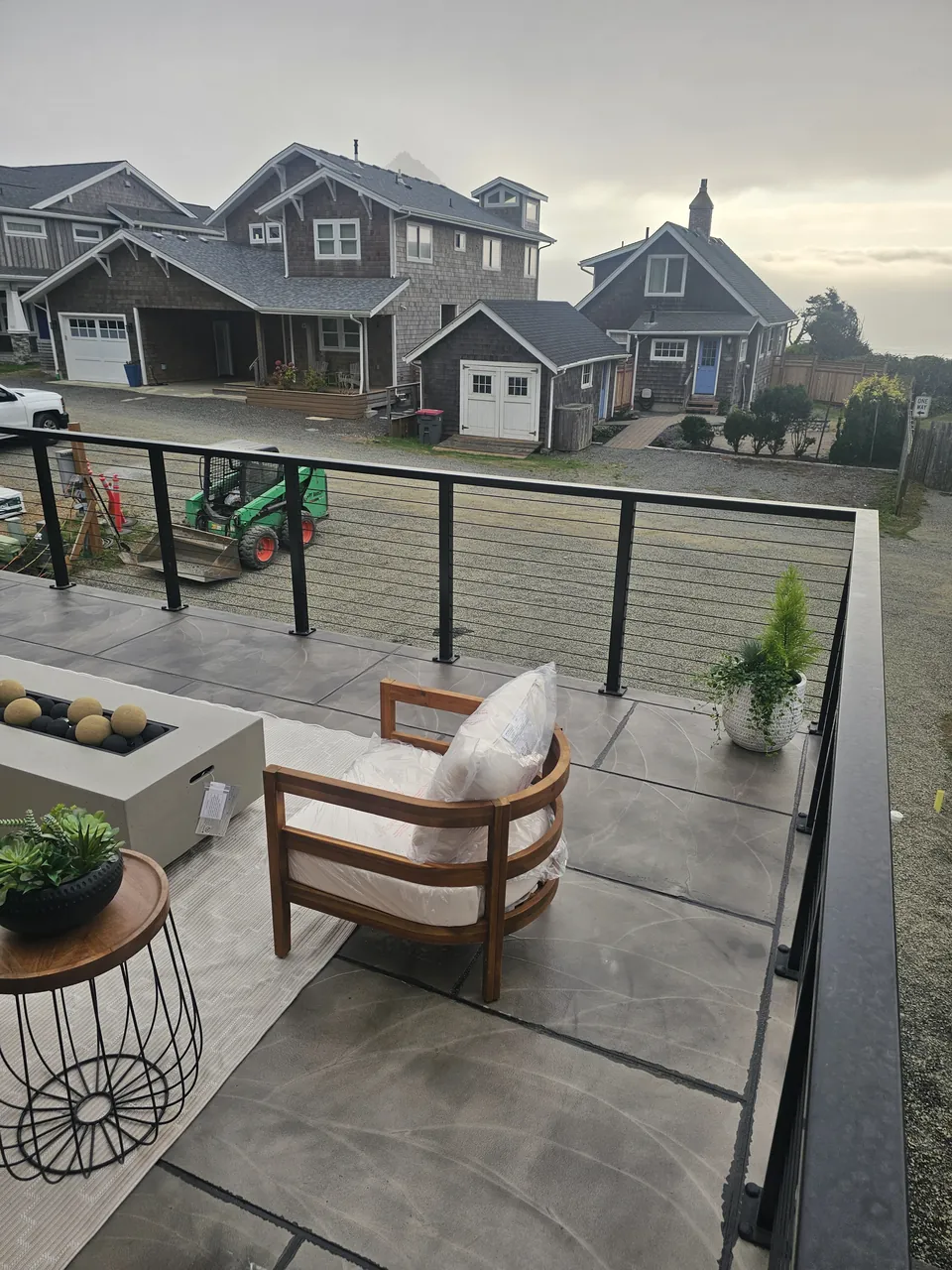
The texture coat over your plywood can be a clean concrete look or a plank or paver pattern laid out by hand, in a light or dark finish. Tell us what you are picturing and we will go over it with you.
One crew from plywood to topcoat
Our in-house crew replaces the plywood, does the seam and flashing work, applies every layer and installs the railing. We work through the rain under tarps, move summer coats to the cooler hours, and only pause when it is colder than the manufacturer allows.
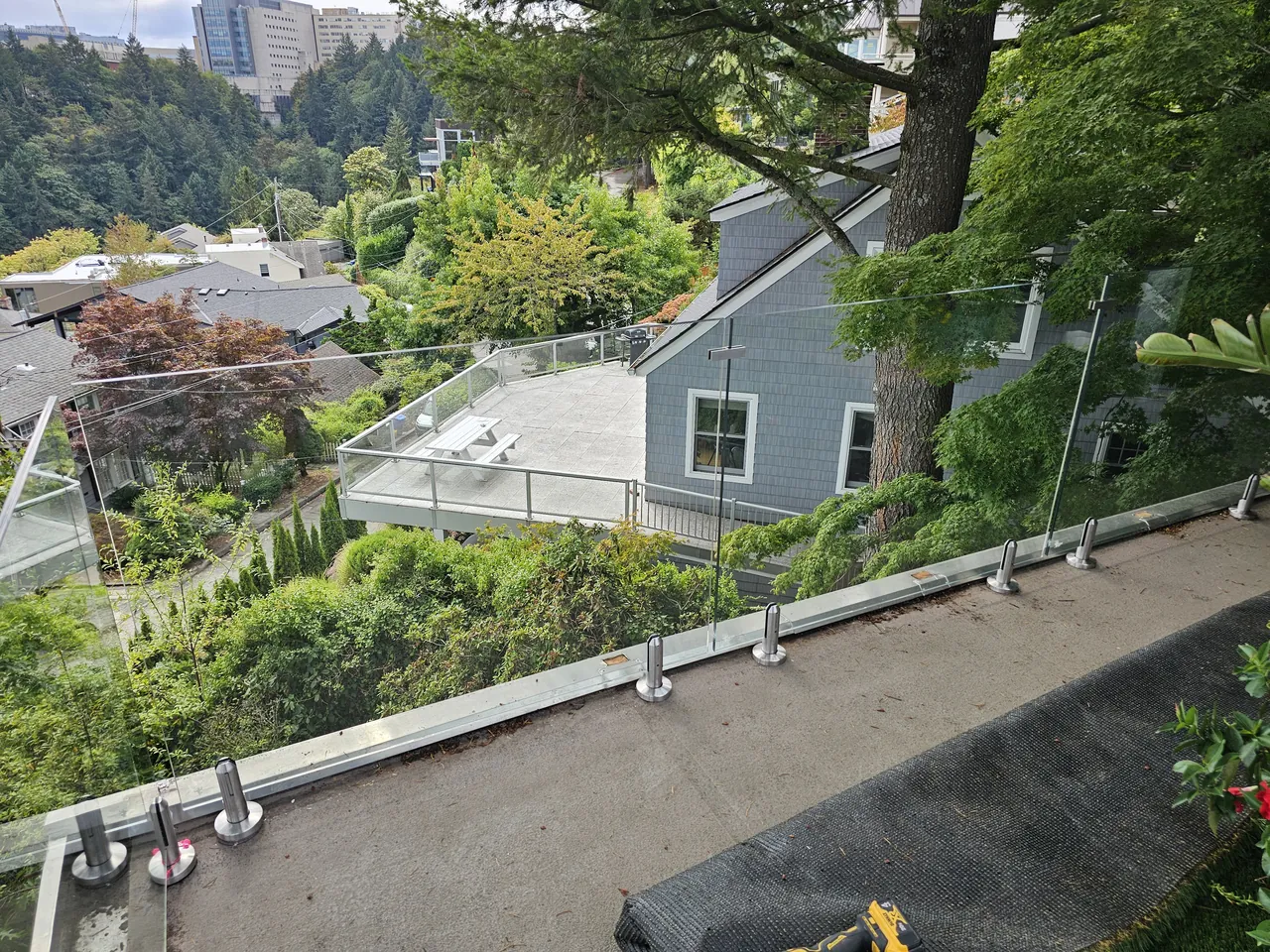
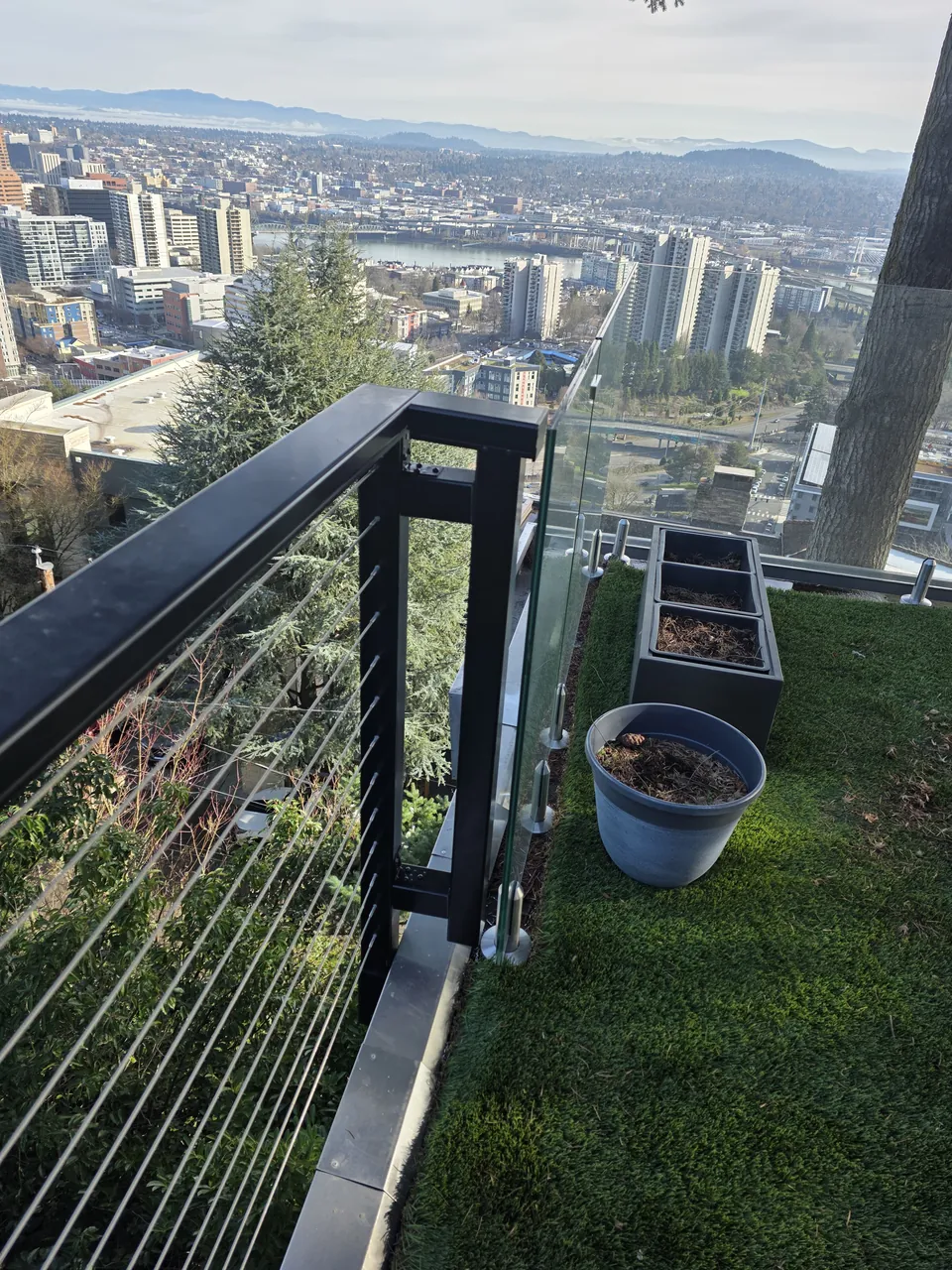
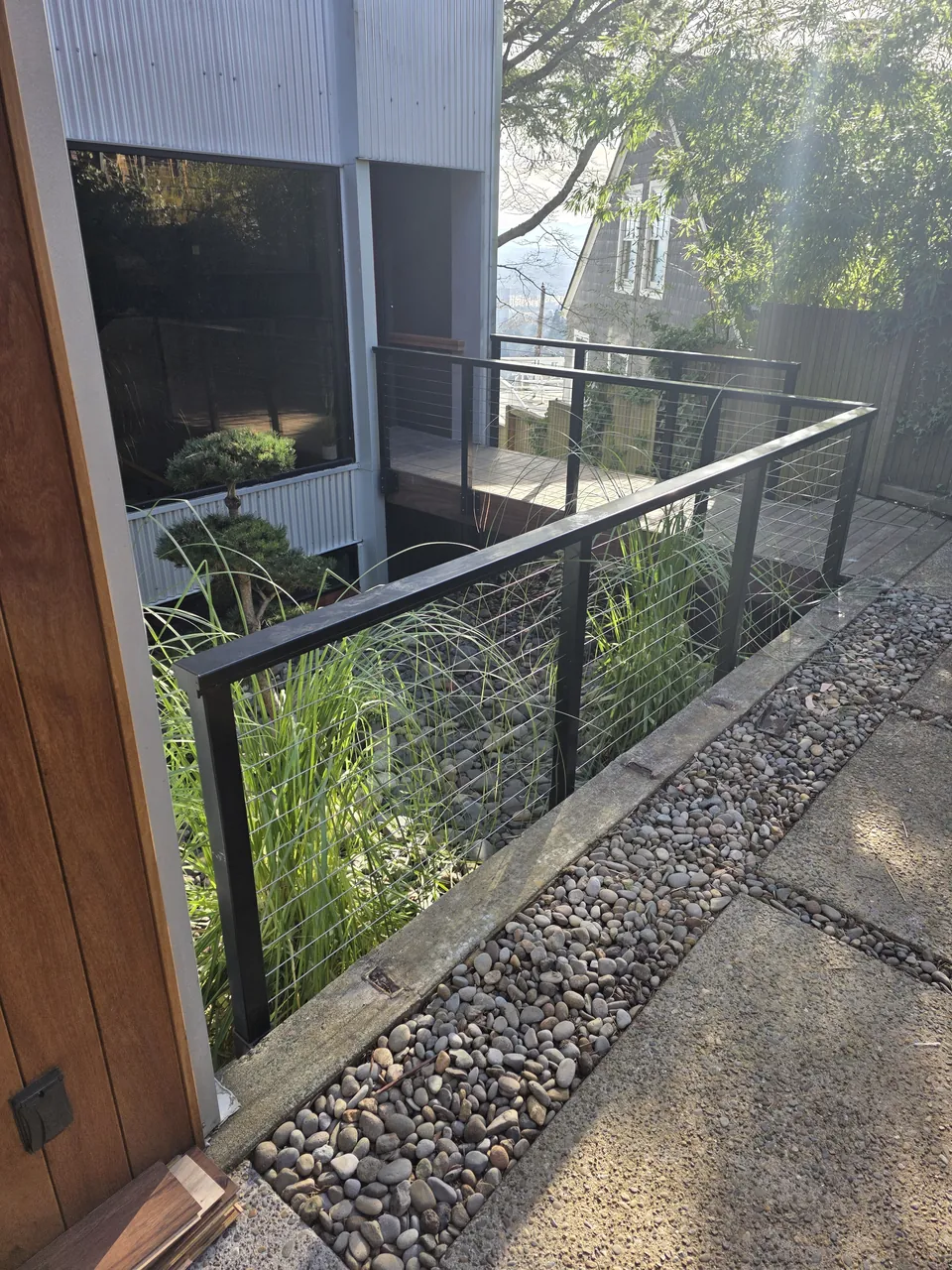
Need railing too? Cable, glass and black aluminum picket can be set and sealed into the new surface: see deck railing and railing in Vancouver.
Plywood deck waterproofing near Vancouver
Based in Vancouver, we cover the whole city and nearby Felida, Salmon Creek, Battle Ground, Camas and Longview, plus the rest of Clark County, Cowlitz County and the Portland Metro.
Yes, as long as it is sound. Any sheet that is soft, delaminated or rotted is replaced first.
Why does my plywood deck crack in straight lines after every Vancouver winter?
Those lines are usually the plywood seams. The sheets swell and shrink with our wet winters and dry summers, and a thin coating cracks where they meet. ALX Pro covers every seam with sheet membrane before the rest of the system goes on.
How thick is the finished plywood deck surface?
Far thicker than paint or a roll-on product. It is a multi-layer system built up from membrane, lath, a base coat and texture coats.
My plywood deck sits under the firs in Felida and stays wet all winter. Can it still be waterproofed?
Yes. Shaded decks are where a full system matters most. We replace any damaged sheets, then build the waterproof layers so the plywood stays dry even when the surface is wet.
Do you fix the flashing at the house wall?
Yes. With the deck open, we look at the wall line, the door threshold and the outer edge, and correct the flashing as part of the job.
How often does a plywood deck need maintenance?
The topcoat is the only part that needs regular care. Westcoat suggests a reseal every 3 to 5 years, sooner on a deck with heavy sun or traffic.
Is plywood a good choice for a new deck in Vancouver's climate?
For a deck you want fully waterproof, yes. Plywood can be sloped and covered with a bonded system, which spaced deck boards cannot. Tim is a registered Washington general contractor, so a new plywood deck can be framed under him and waterproofed by our crew.