Picture a house dug into the hillside above First Street. The back wall of the lower level is basically holding up a hill, the slab sits on ground that drains toward the river, and the air down there smells a little damp from October to April. That is a common setup in a hillside town, and it is the reason we never quote a Kalama basement floor until we have run a moisture test.
We use one of two methods: a sealed calcium-chloride kit or a relative humidity probe. It tells us how much water vapor is moving up through the concrete. Low reading, we go straight to the standard system. High reading, we add a moisture-mitigating primer underneath. Water actually pooling on the floor is a different problem; we track down and stop the source before a single coat is rolled.
Why Flake Epoxy Works Downstairs in a River Town
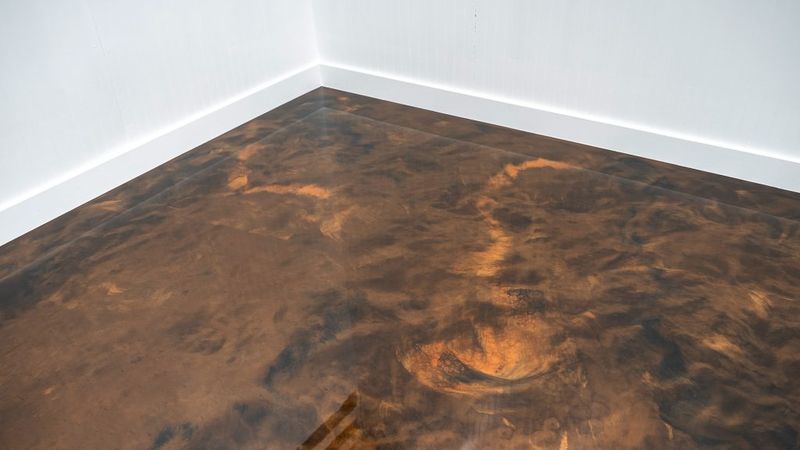
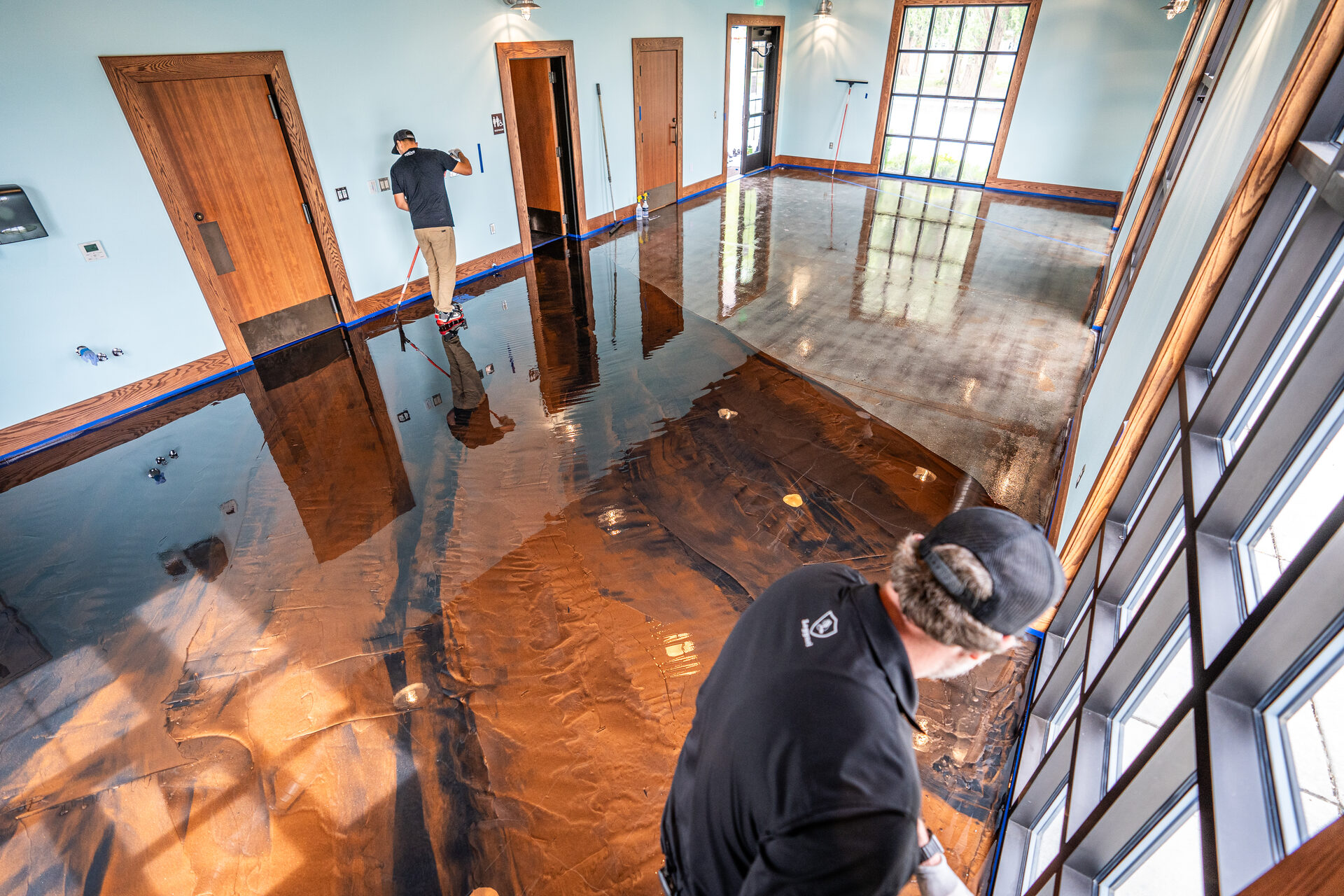
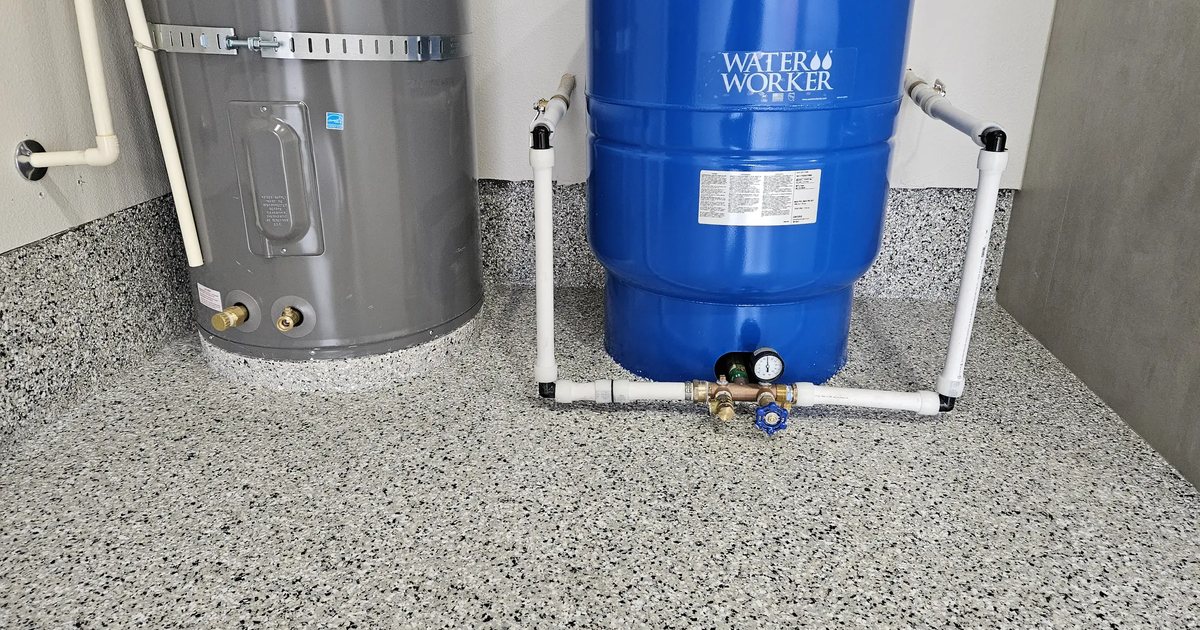
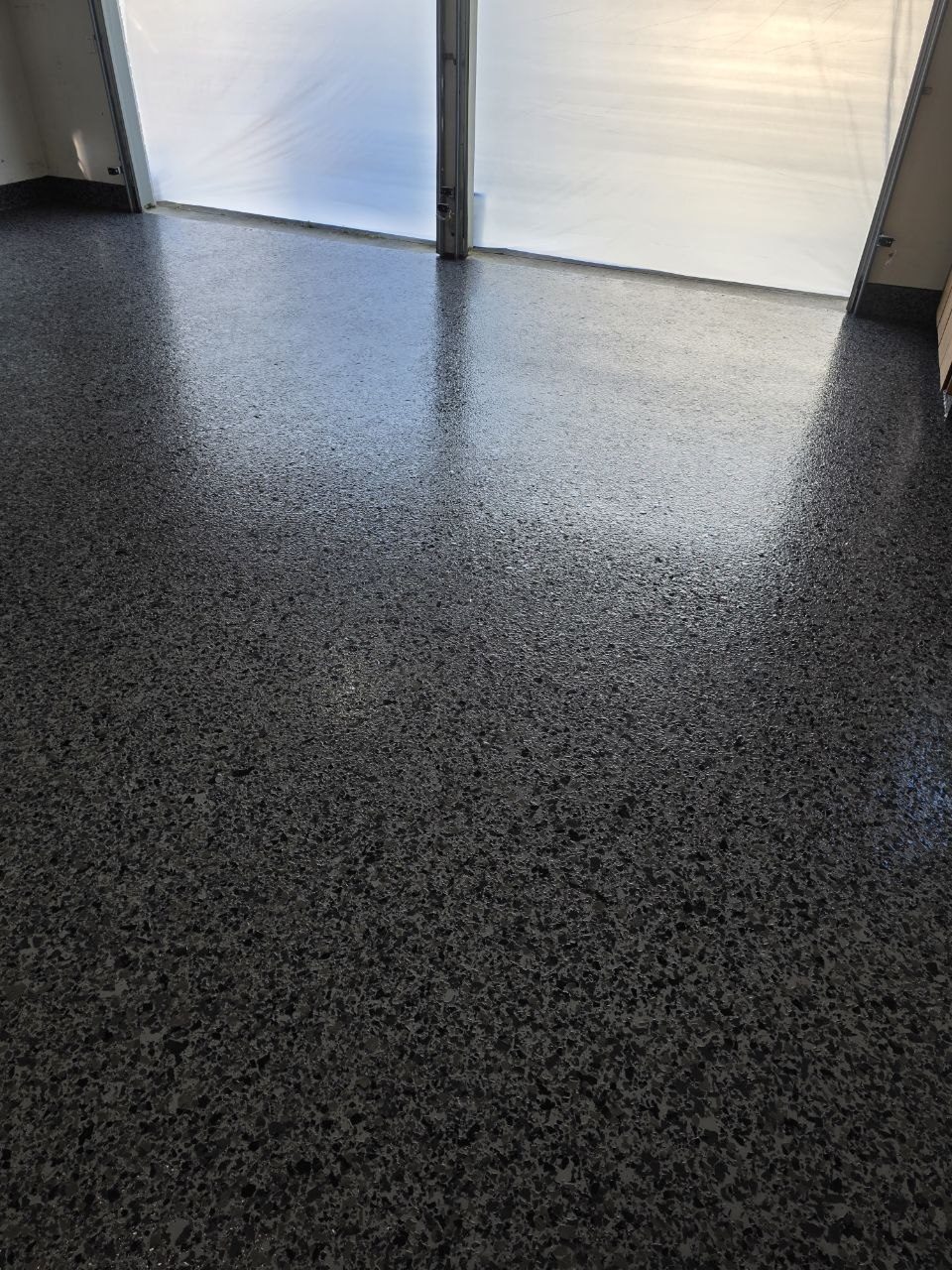
Bare basement concrete is a sponge. It pulls moisture up, holds onto smells, and gives mold a place to start. A coated floor is sealed. The system is 100% solids epoxy, a flake broadcast for texture and to hide imperfections, then a polyaspartic wear layer, adding up to 30 to 40 mils. Damp air does not bother it, mildew finds nothing to feed on, and a mop handles cleanup.
That makes a damp lower level usable. People turn them into gyms, laundry rooms, workshops and storage for river gear. Wet waders and coolers set down on epoxy dry off and clean up instead of leaving stains. We spend about three days on site, the floor is walkable a day or two after, heavy things wait about a week, and it carries a lifetime warranty.
Our Basement Epoxy Floors System
Materials: Moisture-mitigating primer, 100% solids epoxy, flake broadcast, polyaspartic topcoat
Thickness: 30-40 mils
Install time: about 3 days
Walk on it: 1-2 days after
Heavy furniture: about a week after
Warranty: Lifetime
Moisture tolerant. Mold resistant. Easy to clean.